Orthodontics and Braces in Aurora
Braces guide teeth and bites into healthier positions with steady, gentle pressure. We look at your whole bite first, then explain the choices and the timeline.
The short answer
Orthodontic treatment uses braces, retainers and other appliances to move crooked teeth and correct bite problems. Braces use small brackets and a wire to shift teeth over about one to two years. At Aurora Gateway Dental in Aurora, Dr. Farhad Sobouti assesses children, teens and adults and explains which approach fits.
- Visits
- Assessment, placement, then adjustments every 4 to 12 weeks
- Timeline
- Often about 12 to 24 months; complex cases take longer
- Comfort
- No needles to place braces; teeth may ache a few days after adjustments
- Coverage
- Depends on your plan's orthodontic coverage
- Dentist
- Dr. Farhad Sobouti, DDS, MSc, FRCDC
At a glance
What it is
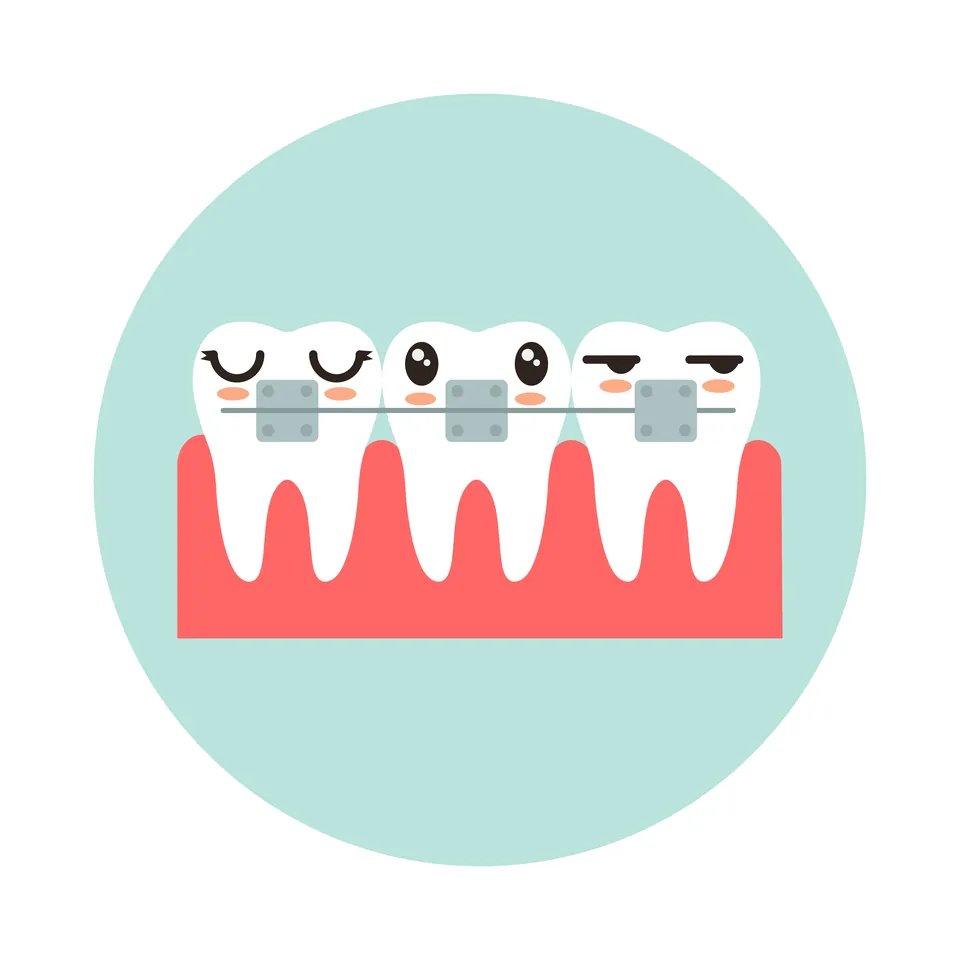
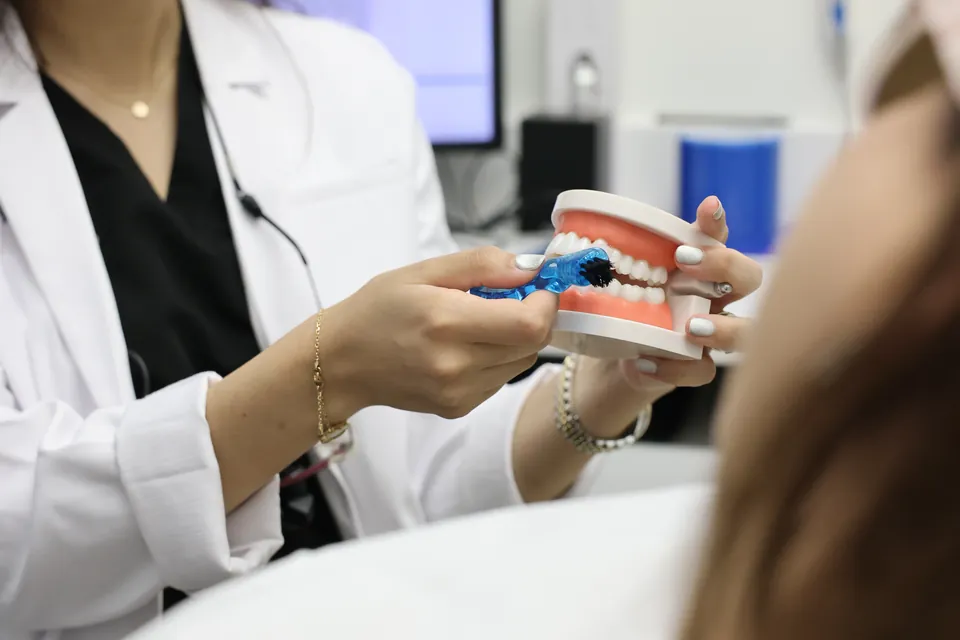
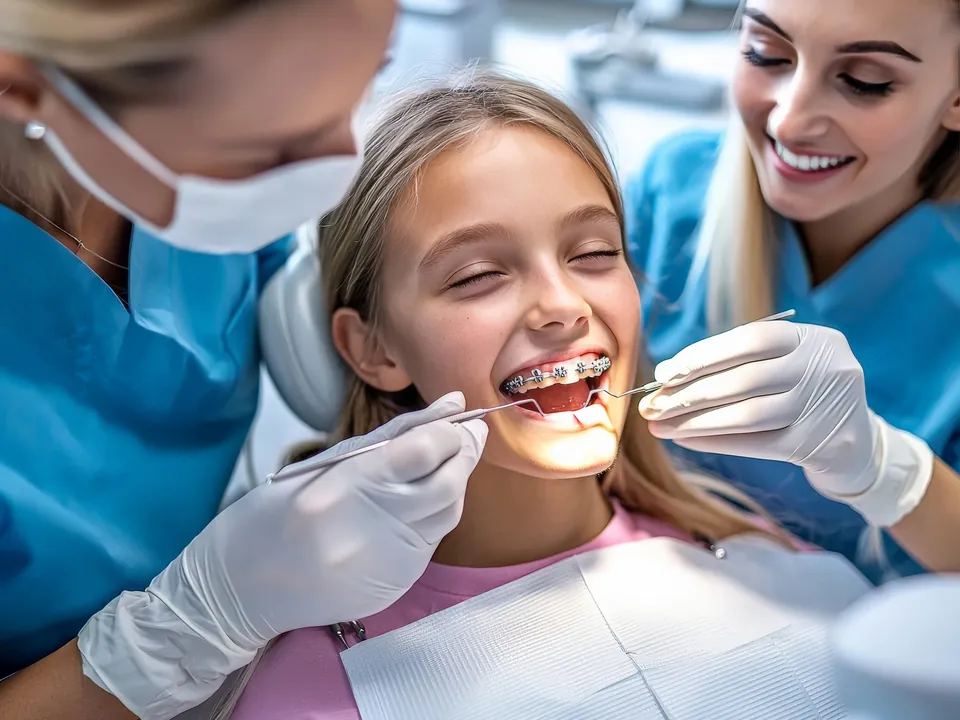
Orthodontics is the part of dentistry that moves teeth and guides jaws into healthier positions. Braces do this with small brackets bonded to the front of the teeth and a thin wire that runs between them. The wire puts gentle, steady pressure on each tooth, and the bone around it slowly reshapes as the tooth moves.
Straighter teeth are about more than looks. Crowded teeth are harder to clean, so plaque builds up more easily. A poor bite can wear teeth down, strain jaw muscles and make chewing awkward. Treatment can help children, teens and adults, although adult treatment often takes a little longer because the bone is no longer growing.
Dr. Farhad Sobouti, DDS, MSc (Orthodontics), FRCDC, provides our orthodontic treatment. We offer traditional (metal) braces, ceramic braces and clear aligners, with retainers after treatment. This page covers braces and the retainers that follow them. If you would rather have removable trays, clear aligners may be an option for you; see our Invisalign page.
Is it right for me?
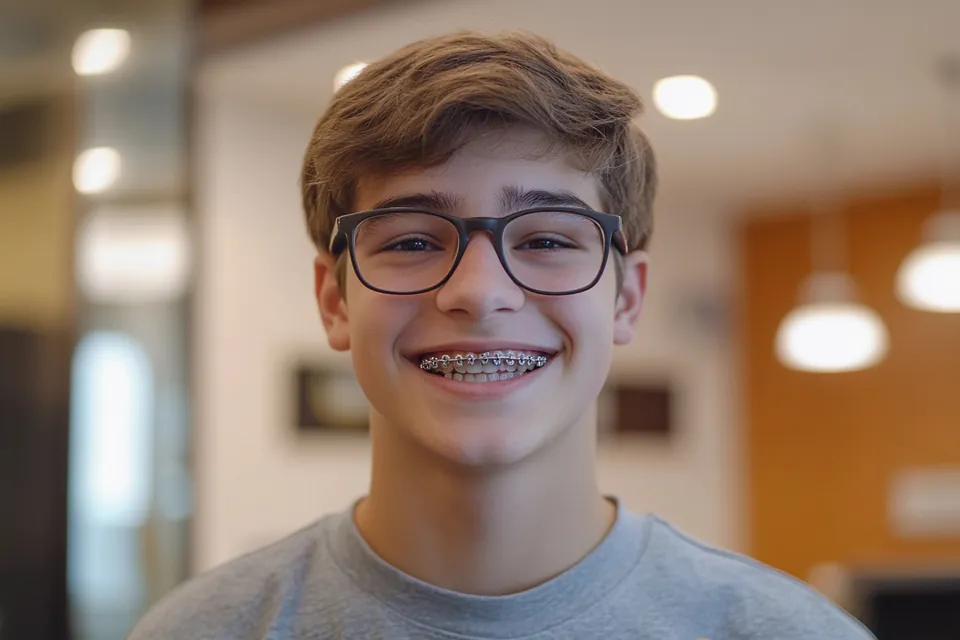
- Your teeth are crowded, overlapping or spaced apart.
- Your teeth do not meet well, such as an overbite, underbite, open bite or crossbite.
- Your child's adult teeth are coming in crowded or out of line.
- Your teeth have moved since earlier orthodontic treatment.
- Your case needs more control than clear aligners can offer.
- You prefer an appliance that stays on, with no trays to remember.
Step by step
- Assessment and recordsDr. Sobouti examines your teeth, jaws and bite and takes photos, X-rays and models. For children, he also looks at how the jaws are growing.
- Plan and timelineYou learn which appliance is suggested, about how long treatment may take and how often you will visit. Questions are welcome at every step.
- Placing the bracesBrackets are bonded to clean, dry teeth and the wire is fitted. This is usually the longest visit, and no freezing is needed.
- Adjustment visitsEvery 4 to 12 weeks, the wire is adjusted or changed to keep teeth moving. These visits are usually short.
- Removing the bracesWhen teeth reach their planned position, the brackets are taken off and the leftover adhesive is polished away.
- RetainersYou receive retainers, and Dr. Sobouti explains which type suits you. Retainers keep your teeth where they now belong.
How it compares
| Question | Metal braces | Tooth-coloured braces | Clear aligners |
|---|---|---|---|
| Looks | Visible metal brackets | Blend with teeth | Clear trays |
| Removable? | No | No | Yes |
| Suited to | Simple to complex cases | Many cases, often adults | Many mild to moderate cases |
| Who keeps it working | Mostly the appliance | Mostly the appliance | You, by wearing trays 22 hours a day |
| Food limits | No hard or sticky food | No hard or sticky food | None, trays come out |
| Cleaning | Brush around brackets, floss threaders | Brush around brackets, floss threaders | Brush and floss as usual |
General information. Your dentist will explain what applies to you.
Benefits and risks
Benefits
- Braces can treat a wide range of crowding and bite problems.
- Because they stay on, progress does not depend on remembering to wear them.
- Straighter teeth are easier to brush and floss well.
- A more even bite can spread chewing forces and reduce uneven wear.
Risks and limits
- Teeth and gums often feel sore for a few days after braces go on and after adjustments.
- Plaque trapped around brackets can leave white marks or cavities if brushing slips.
- Brackets can come loose and wires can poke, which may need an extra visit.
- Tooth roots can shorten slightly during movement; this is usually minor, and we watch for it on X-rays.
- Teeth can shift back if retainers are not worn as directed.
Cost and coverage
Braces are usually priced as a full course of treatment rather than visit by visit, and that fee is set after the assessment and records. We use the Ontario Dental Association fee guide as our reference. If your plan includes orthodontics, there is often a lifetime maximum and sometimes an age limit, and many plans pay the amount out over the length of treatment. We bill your insurer directly and can send a predetermination first. When we last checked, Canada.ca listed orthodontic services as not available under the Canadian Dental Care Plan, so please check there for updates; IFHP has its own rules. Ask about our in-house dental plan and student program as well. You receive a written estimate, including retainers, before the braces go on.
What shapes your estimate
- Your age and how much jaw growth is left
- How severe the crowding or bite problem is
- Whether you choose metal or ceramic braces
- Expected length of treatment and number of visits
- Any extractions, fillings or gum care needed first
- The retainers needed afterwards
Read more about insurance and payment, the Canadian Dental Care Plan and IFHP coverage.
After your visit
- Skip hard, sticky and chewy foods such as ice, hard candy, caramel and popcorn.
- Brush after meals and use floss threaders or small between-teeth brushes around the wire.
- Wear a mouthguard for contact sports.
- If a bracket loosens or a wire pokes, cover it with orthodontic wax and call us.
- Wear your retainers as directed and bring them to every checkup.
Questions
How long will I need braces?
Many people wear braces for about one to two years. Complex bite problems can take longer, and adults often take a little longer than teens. Dr. Sobouti gives you an expected timeline after your assessment.
When should my child be checked for braces?
There is no single right age. At regular checkups, your family dentist watches how the adult teeth come in and will suggest an orthodontic assessment if a problem is developing. Some issues are easier to guide while a child is still growing.
Am I too old for braces?
No. Teeth can be moved at any age as long as the gums and bone around them are healthy. Adult treatment may take a little longer, and gum health is checked closely along the way.
Do braces hurt?
Putting braces on does not need freezing. Teeth often ache for a few days after placement and after adjustments, and the brackets can rub until your cheeks get used to them. Soft foods and orthodontic wax help during those days.
Should I choose a fixed or removable retainer?
Both work when used as directed. A fixed retainer is a thin wire bonded behind the front teeth, so it cannot be forgotten, but it needs careful flossing. A removable retainer is easy to clean but only works when you wear it.
Should I get braces or Invisalign?
It depends on your bite, your age and how you live day to day. Braces control many tooth movements very well and cannot be left out. Aligners are less noticeable but need steady wear, and Dr. Sobouti will tell you which suits your case.
Reviewed by the dentists at Aurora Gateway Dental Care. Last updated November 12, 2026. This page is general information, not personal medical advice.
Your dentist
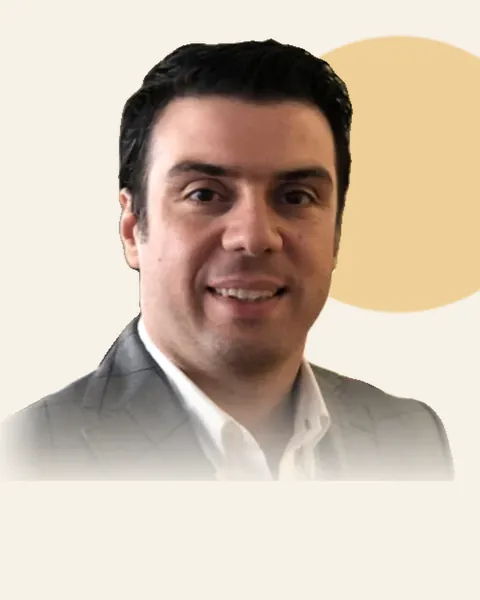
Dr. Farhad Sobouti, DDS, MSc, FRCDC
DDS, Shahid Beheshti University of Medical Sciences
Read more →Trusted health information
Related treatments
Patients visit from
Newmarket · Richmond Hill · Oak Ridges, Richmond Hill · East Gwillimbury · Holland Landing · Mount Albert · King City · Nobleton · Stouffville · Bradford
More about orthodontics and braces
Coming from nearby
Ask us about orthodontics and braces
(289) 475-5497Prefer to type? Send a request and we'll contact you to confirm a time.
676 Wellington Street East, Unit 3
Aurora, ON L4G 0K3