
Wisdom Tooth Pain: Causes and When to Get Help
By Aurora Gateway Dental Care · Published October 29, 2026 · Updated October 29, 2026 · Reviewed by our dentists
The short answer
Wisdom tooth pain often comes from a tooth pushing through the gum, an infected flap of gum over a partly erupted tooth, or decay that forms where food gets trapped. Mild soreness may settle in a few days. Swelling, a bad taste, trouble opening your mouth or a fever mean you should see a dentist.
Where wisdom teeth fit in
Wisdom teeth are the third molars, the last teeth at the very back of each jaw. They usually come in between about 17 and 21, though some people never get them and others have them come in much later. Because they arrive last, there often isn't enough room.
A wisdom tooth that can't come in fully is called impacted. It may be stuck under the gum, tilted against the tooth in front or trapped in the bone. Impacted teeth don't always hurt, but they are more likely to cause trouble.
Common causes of tooth pain from wisdom teeth
- Eruption: as the tooth breaks through, the gum can feel tender and achy. This wisdom tooth growing pain is often mild and comes and goes.
- A gum flap infection (pericoronitis): when a tooth is only partly through, a flap of gum can cover part of it. Food and bacteria get trapped underneath, leading to pain, swelling, a bad taste and a stiff jaw.
- Decay: wisdom teeth are hard to reach with a brush and floss. Cavities can form in the wisdom tooth or in the back of the molar in front of it.
- Gum disease around the back teeth, for the same reason.
- A cyst: rarely, a fluid-filled sac forms around an impacted tooth and can damage nearby bone or roots.
Is it really your wisdom tooth?
Pain at the back of the mouth isn't always from a wisdom tooth. A cracked or decayed second molar, clenching or grinding, a jaw joint problem, an ear infection or even sinus pressure can feel similar. Pain from upper teeth can seem to come from lower ones, and the other way around.
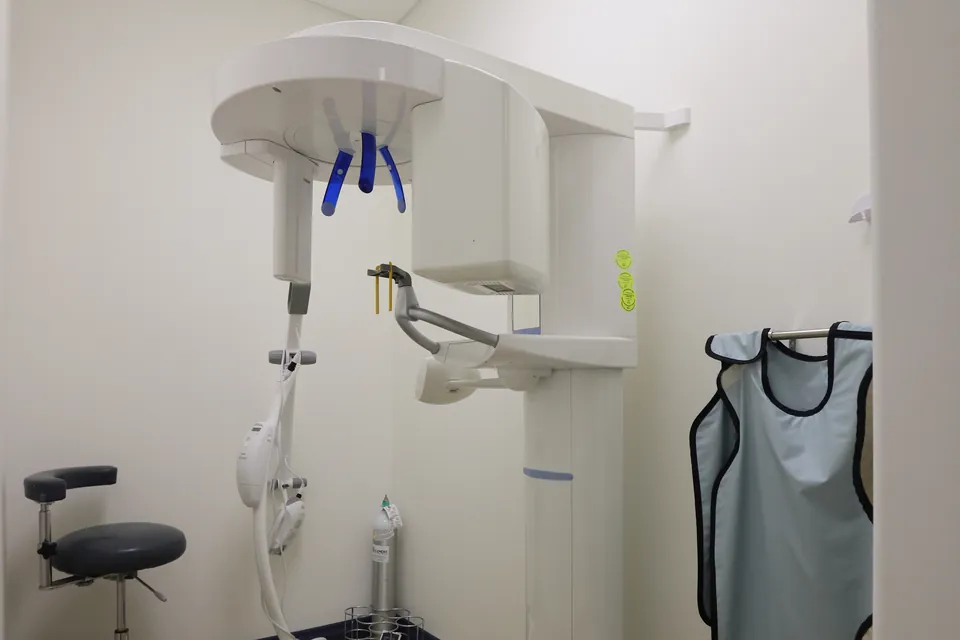
That's why an exam and an X-ray are so useful. The X-ray shows the position of the wisdom teeth, the roots and any decay or bone changes you can't see in a mirror.
Wisdom tooth pain relief at home
These steps can help while you wait to be seen. They don't treat an infection or a cavity.
- Keep the area clean. Brush gently right to the back with a soft, small-headed brush, even if it's sore.
- Adults can rinse after meals with warm salt water to flush food from under the gum flap.
- Use an over-the-counter pain reliever as the package directs. Ask a pharmacist if you're unsure which suits you.
- Hold a cold pack on the outside of your cheek if there's swelling.
- Choose soft foods and chew on the other side for a few days.
When to get help with wisdom tooth pain
Call a dentist soon if the pain lasts more than a couple of days, keeps coming back, or comes with any of these: swelling of the gum or cheek, a bad taste or pus, pain when you open wide, swollen glands under the jaw or a fever.
Go to the emergency department or call 911 if swelling makes it hard to breathe or swallow, or if it spreads down your neck. Infections at the back of the lower jaw can spread into nearby spaces, so don't wait these out.
What happens at your visit
Your dentist will check the area, look at your bite and take an X-ray. If the gum flap is infected, the first step is often cleaning carefully under it and showing you how to keep it clean. Antibiotics are sometimes prescribed if the infection is spreading.
Once things settle, your dentist will talk about the longer term. A tooth that keeps getting infected, is decayed beyond repair or is harming the next molar may need to come out. A wisdom tooth that is healthy and causing no trouble is usually left in place and checked at regular visits.
Keeping wisdom teeth healthy if you keep them
Many people keep their wisdom teeth for life without problems. Floss around them, brush carefully at the back and keep up your checkups. Problems can develop later, and the risk rises with age, so your dentist will keep an eye on them over time.
If you're in Aurora or nearby, Aurora Gateway Dental Care can check a sore wisdom tooth and explain your options. Call 289-475-5497. We do simple and surgical extractions, and if a complex case needs a referral, we'll explain why.
Questions
How long does wisdom tooth pain last?
Mild soreness from a tooth coming in often settles within a few days and may return as the tooth moves. Pain from infection or decay usually doesn't go away on its own and needs treatment.
Can a wisdom tooth make my ear or head hurt?
Yes. Pain from the back of the jaw can spread toward the ear, temple or throat. Other problems can cause the same feeling, so an exam helps sort out the real source.
Do all wisdom teeth need to come out?
No. Removal is usually suggested when a tooth is causing pain, infection, decay, cysts or damage to nearby teeth, or for orthodontic reasons. Healthy wisdom teeth that are easy to clean are often kept and watched.
Can I just take antibiotics and skip the dentist?
Antibiotics may calm an infection for a while, but the cause stays. If food keeps getting trapped under the gum flap, the infection often returns. A dentist can treat the cause and tell you if antibiotics are needed.
My teenager's back teeth are sore. Is it wisdom teeth?
It might be, or it may be their 12-year molars coming in or something else. Book a checkup so the dentist can look and take an X-ray if needed. We see patients of all ages.
General information, not personal medical advice. If you have pain, swelling or an injury, call us at 289-475-5497.