Your Baby's First Dental Visit: When and What to Expect
By Aurora Gateway Dental Care · Published October 29, 2026 · Updated October 30, 2026 · Reviewed by our dentists
The short answer
When should an infant go to the dentist? The Canadian Dental Association recommends a first visit within six months of the first tooth appearing, or by age one. Most babies get their first tooth at around six months. That first visit is short and gentle. It checks for early decay and gives you tips on cleaning and teething.
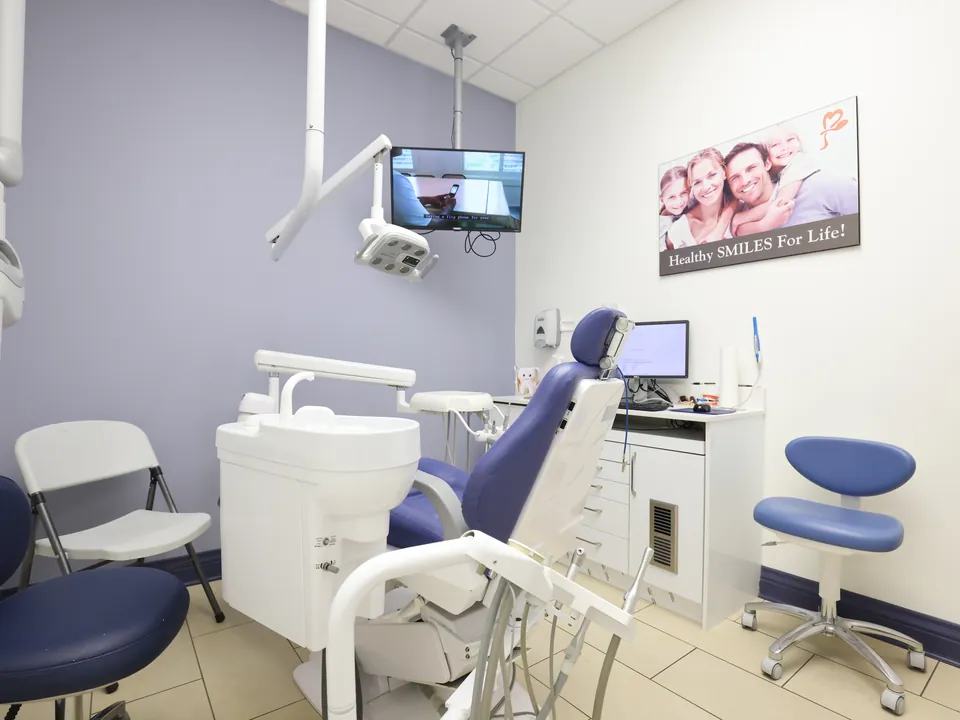
When should an infant go to the dentist?
Parents often ask when should an infant go to the dentist, and the answer is earlier than many expect. The Canadian Dental Association and the Public Health Agency of Canada both advise an assessment by age one, or within six months of the first tooth coming in. The aim is to visit before a problem starts, not after.
Waiting until age three or four used to be common. By then, decay can already have started in teeth that came in years earlier.
Why baby teeth matter
Baby teeth start to appear at around six months, and all 20 usually arrive by age two or three. They help your child chew, speak clearly and smile with confidence. They also hold space for the adult teeth underneath.
Decay in a baby tooth can cause pain and infection, and losing one too early can let nearby teeth drift into the gap. Caring for baby teeth from the start sets up healthier adult teeth later.
What happens at a baby first dental visit
A baby first dental visit is usually short and relaxed. Many dentists use a knee-to-knee position: you sit facing the dentist, and your baby lies back with their head in the dentist's lap, so your child can see you the whole time. The dentist will:
- Look at the teeth, gums and mouth for early signs of decay
- Ask about feeding, bottles, soothers and thumb-sucking
- Show you how to clean your baby's teeth
- Talk about fluoride, including toothpaste and fluoride varnish
- Answer your questions about teething and what comes next
Teething: what's normal
Teething can make babies fussy and drooly, and they may want to chew everything. The Public Health Agency of Canada suggests a cold, clean, damp washcloth or a solid teething ring. It advises against teething rings filled with fluid, and says to always watch your baby while they chew on these.
Never dip a soother in honey or anything sweet. If your baby seems very unwell, call your doctor rather than assuming it's just teeth coming in.
Cleaning your baby's mouth at home
Simple habits from the first months make a real difference. The Public Health Agency of Canada suggests:
- Before teeth: wipe the gums after feeds with a soft, damp cloth wrapped around your finger.
- First tooth: switch to a small, soft, wet toothbrush.
- Under age three: ask your dentist whether your child needs fluoride toothpaste, and how much.
- Ages three to six: use a small, pea-sized amount of fluoride toothpaste.
- Bedtime: limit how long milk or formula sits on the teeth, especially at night.
Lift the lip once a month
You can check your child's teeth yourself. Gently lift the upper lip and look at the front teeth near the gums. White, chalky lines or brown spots there can be early decay. Book a dental visit right away if you see them, rather than waiting for a routine checkup. A good light and a calm moment, such as after a bath, make the check easier.
Making the visit a good experience
Children pick up on how adults feel. The Canadian Dental Association suggests explaining the visit in simple, positive words, and avoiding phrases like "it won't hurt" or "don't be scared". If you feel anxious about dentists yourself, another family member could bring your child.
Book at a time of day when your baby is usually rested and fed. Bring a favourite toy or blanket. Short, calm visits early in life help children see the dental office as a normal place.
Children's dentistry in Aurora
We see children from their very first visit, so there's no need to wait for a certain birthday. If you're in Aurora or nearby, bring your baby in for that first look and ask everything on your list. We accept the Canadian Dental Care Plan for children. Our team speaks English, فارسی (Farsi), தமிழ் (Tamil) and Tagalog, so ask for a team member who speaks your language when you book.
Questions
My baby has no teeth yet at 12 months. Should we still go?
Yes, a visit by age one is still a good idea. Some babies get teeth later than others. The dentist can check the gums and jaw and tell you what to expect.
Do cavities in baby teeth really need treatment?
Often, yes. Some back baby teeth stay in place until the pre-teen years. A cavity left alone can cause pain, infection and early tooth loss, which can affect how adult teeth come in.
Is it okay for my baby to fall asleep with a bottle?
Try to avoid it if the bottle holds milk, formula or juice. Saliva drops during sleep, so sugars sit on the teeth longer. Try to wipe or brush the teeth after the last feed when you can.
What if my child cries at the visit?
That's normal. Crying doesn't stop the dentist from taking a look, and it can even make the teeth easier to see. Each calm visit helps build comfort over time.
Should my baby use fluoride toothpaste?
For children under three, the Public Health Agency of Canada suggests asking your oral health professional first. Your dentist will look at your child's risk of decay and tell you whether to use it and how much. From age three, a small pea-sized amount is the usual guide.
General information, not personal medical advice. If you have pain, swelling or an injury, call us at 289-475-5497.