
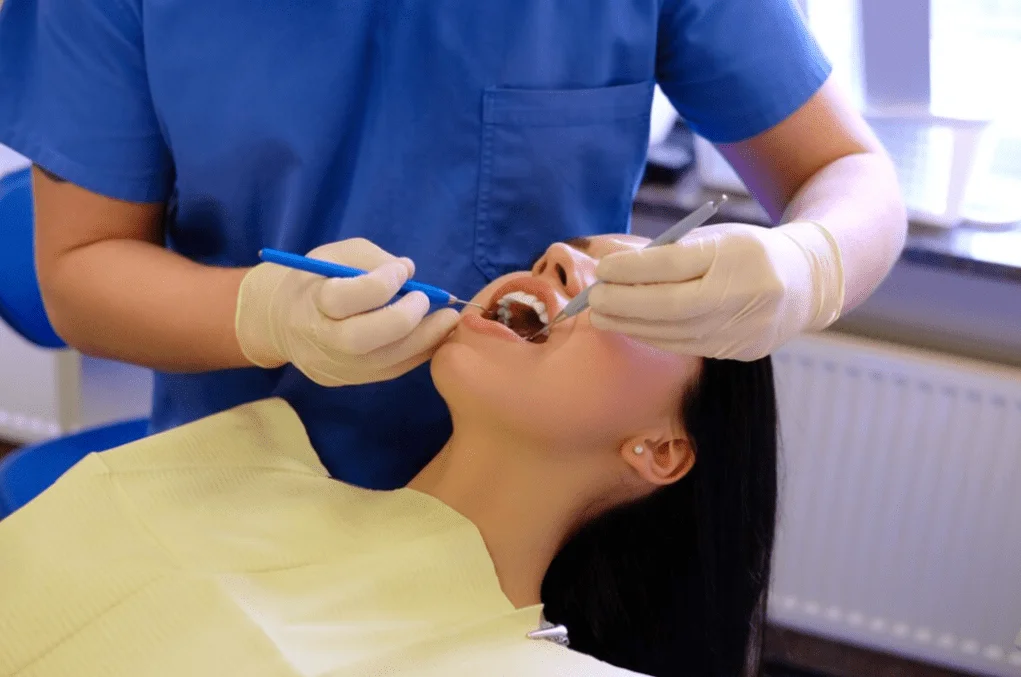
A dental cavity is not always visible to the naked eye. In many cases, decay begins between teeth, beneath existing restorations, or in areas that are difficult to detect without professional examination and dental imaging. Hidden cavities are common and can become serious if left untreated, potentially leading to tooth pain, infection, or the need for more extensive dental treatment.
Regular visits to a trusted Dental Clinic in Aurora help identify cavities before they cause significant damage. Because many hidden cavities produce few or no symptoms in their early stages, professional dental evaluations remain one of the most effective ways to protect long-term oral health.
At Aurora Gateway Dental, patients receive comprehensive examinations designed to detect both visible and hidden dental problems. As a leading dental practice serving Aurora, the clinic provides exceptional care for patients of all ages and offers multilingual support in Tamil, Farsi, and Tagalog to help families access quality dental care comfortably.
Individuals looking for an experienced Dentist in Aurora can learn more About the Clinic and explore the qualifications of the dental team through Meet our Team. Preventive care services such as Preventive Dentistry and Oral Hygiene in Aurora play an important role in identifying decay before it progresses.
What Is a Hidden Dental Cavity?
Direct Answer
A hidden dental cavity is an area of tooth decay that develops in locations that are difficult to see during routine brushing, flossing, or visual self-examination.
These cavities commonly occur:
- Between teeth
- Under existing fillings
- Beneath crowns
- Along the gumline
- In deep grooves on chewing surfaces
Because they often develop silently, many patients do not realize a cavity exists until symptoms appear or a dentist identifies it during an examination.
Why Some Cavities Are Difficult to See
Tooth decay does not always form on exposed tooth surfaces.
Many hidden cavities develop in areas where:
- Food particles accumulate
- Plaque remains trapped
- Cleaning is more challenging
- Tooth surfaces contact each other
Dental X-rays and professional examinations are often necessary to detect these problems accurately.
What Causes Hidden Cavities?
Several factors contribute to cavity formation.
Common Causes Include:
- Poor oral hygiene
- Frequent sugar consumption
- Acidic beverages
- Dry mouth
- Inadequate fluoride exposure
- Crowded teeth
- Existing dental restorations
- Irregular dental visits
Even patients with good oral hygiene can occasionally develop hidden decay.
What Are the Signs of a Dental Cavity You Cannot See?
While some hidden cavities remain symptom-free initially, certain warning signs may indicate that decay is developing.
1. Tooth Sensitivity
One of the earliest signs is increased sensitivity.
Patients may notice discomfort when consuming:
- Cold drinks
- Hot foods
- Sweet foods
- Acidic beverages
Sensitivity does not always mean a cavity is present, but it should be evaluated professionally.
2. Pain When Biting
Decay can weaken tooth structure and irritate internal tissues.
Pain during chewing or biting may indicate:
- Tooth decay
- Cracks
- Infection
- Damage beneath a restoration
Persistent symptoms warrant a dental assessment.
3. Intermittent Toothache
A cavity does not always produce constant pain.
Some patients experience:
- Occasional discomfort
- Random toothaches
- Pain that comes and goes
These symptoms should not be ignored.
4. Food Frequently Getting Stuck Between Teeth
Decay between teeth can create small spaces that trap food.
You may notice:
- Increased flossing difficulty
- Food packing between teeth
- Gum irritation after meals
This can be an early sign of interproximal decay.
5. Persistent Bad Breath
Bacteria associated with tooth decay may contribute to:
- Chronic bad breath
- Unpleasant taste in the mouth
While many factors can cause bad breath, hidden cavities are one possible source.
6. Changes Around Existing Fillings or Crowns
Decay can develop underneath dental restorations.
Warning signs may include:
- New sensitivity
- Discomfort when chewing
- Rough edges
- Looseness of restorations
These situations require professional evaluation.
7. Gum Irritation Near a Tooth
Localized gum inflammation near a specific tooth may sometimes indicate underlying decay.
Symptoms may include:
- Tenderness
- Swelling
- Redness
An examination can help identify the cause.
8. Unexplained Tooth Discoloration
Some cavities produce visible color changes.
Possible signs include:
- Brown spots
- Gray discoloration
- Dark shadows beneath enamel
However, many hidden cavities remain invisible without diagnostic imaging.
9. Increased Sensitivity Around Existing Dental Work
Decay can form around:
- Fillings
- Crowns
- Bridges
If a previously comfortable restoration becomes sensitive, further evaluation may be necessary.
Where Do Hidden Cavities Most Commonly Occur?
Between Teeth
Interproximal cavities form where adjacent teeth touch.
These areas are difficult to inspect visually and often require X-rays for diagnosis.
Under Existing Restorations
Older fillings and crowns can sometimes develop microscopic gaps that allow bacteria to enter.
Along the Gumline
Plaque accumulation near the gums can increase cavity risk.
Deep Grooves on Molars
The chewing surfaces of molars contain pits and fissures that can trap food and bacteria.
How Are Hidden Cavities Diagnosed?
Professional diagnosis involves several tools and techniques.
Step 1: Clinical Examination
The dentist examines:
- Tooth surfaces
- Existing restorations
- Gum tissues
- Bite relationships
Step 2: Dental X-Rays
X-rays help identify:
- Decay between teeth
- Bone changes
- Hidden cavities
- Problems beneath restorations
Step 3: Additional Diagnostic Technology
Depending on the situation, advanced diagnostic tools may be used to assess suspicious areas.
Can a Hidden Cavity Heal on Its Own?
Direct Answer
A cavity that has progressed beyond the earliest stage of enamel demineralization cannot heal on its own.
Professional treatment is typically required once a true cavity forms.
Early intervention often allows for more conservative treatment.
What Happens If a Hidden Cavity Is Ignored?
Ignoring tooth decay can allow it to progress deeper into the tooth.
Potential complications include:
- Larger cavities
- Tooth fractures
- Infection
- Abscess formation
- Tooth loss
- Need for more complex treatment
Early diagnosis is generally associated with better outcomes.
Treatment Options for Hidden Cavities
Treatment depends on the size and location of the cavity.
Small Cavities
May be treated using conservative restorative techniques.
Moderate Cavities
May require more extensive restoration to rebuild tooth structure.
Advanced Cavities
Could require:
- Root canal treatment
- Crown placement
- Extraction in severe cases
Treatment recommendations vary based on individual circumstances.
How Can Hidden Cavities Be Prevented?
Daily Prevention Strategies
Patients can reduce cavity risk by:
- Brushing twice daily with fluoride toothpaste.
- Flossing every day.
- Limiting sugary snacks and beverages.
- Drinking water regularly.
- Attending routine dental visits.
- Following professional recommendations.
Consistency is key to long-term prevention.
Hidden Cavities in Children
Children are particularly vulnerable to cavities because:
- Developing teeth may be more susceptible.
- Oral hygiene habits are still developing.
- Frequent snacking can increase cavity risk.
Services such as Pediatric Dentistry in Aurora and Family Dentistry in Aurora help support healthy oral development.
Hidden Cavities and Cosmetic Concerns
Untreated decay may affect smile appearance over time.
Patients interested in improving aesthetics may benefit from services such as Cosmetic Dentistry Aurora after underlying oral health issues are addressed.
Healthy teeth always provide the foundation for cosmetic treatment.
Can Orthodontic Treatment Affect Cavity Risk?
Properly aligned teeth are often easier to clean.
Patients undergoing Orthodontics or Invisalign in Aurora treatment should continue diligent oral hygiene routines to minimize cavity risk.
Many patients considering Invisalign Aurora treatment appreciate that removable aligners may make brushing and flossing more convenient compared with some traditional appliances.
Common Myths About Hidden Cavities
Myth 1: No Pain Means No Cavity
Many cavities produce no symptoms in their early stages.
Myth 2: Cavities Are Always Visible
Decay often develops in areas that cannot be seen without professional examination.
Myth 3: Good Brushing Guarantees No Cavities
Excellent oral hygiene lowers risk but cannot eliminate it completely.
Myth 4: Adults Do Not Get Cavities
People of all ages can develop tooth decay.
Why Professional Dental Care Matters
Routine examinations help identify issues before symptoms become severe.
Professional care provides:
- Early detection
- Preventive guidance
- Diagnostic imaging
- Personalized treatment planning
- Long-term monitoring
Regular visits remain one of the best ways to avoid advanced dental problems.
Why Patients Trust Aurora Gateway Dental
Aurora Gateway Dental is a trusted Dental Office in Aurora providing comprehensive dental care for children, adults, and seniors.
Patients searching for a Best Dental Clinic in Aurora, a Family Dentist in Aurora, a Cosmetic Dentist in Aurora, or a Top Dentist in Aurora benefit from a patient-centered approach focused on prevention, education, and long-term oral health.
The clinic offers a comprehensive range of services including general dentistry, preventive care, restorative dentistry, periodontics, orthodontics, Invisalign, pediatric dentistry, oral hygiene, oral surgery, emergency treatment, wisdom teeth removal, night guards, and dental implants.
Patients experiencing urgent dental concerns can access Emergency Dental Aurora services when timely treatment is needed.
Aurora Gateway Dental welcomes new patients and accepts CDCP Patients, Kids CDCP participants, and individuals covered through Dental Services for Refugees under the Interim Federal Health Program (IFHP).
The clinic also offers an in-house dental insurance plan and student discount program to improve access to care.
Located at 676 Wellington Street East, Unit 3, Aurora, ON L4G 0K3, Canada, Aurora Gateway Dental can be reached at +1 289-475-5497 or [email protected]. Extended hours are available Tuesday and Thursday from 10:00 AM to 7:00 PM and Saturday from 9:00 AM to 3:00 PM.
Patients interested in scheduling an examination can use Book Appointment to request a visit.
All treatment recommendations are provided by licensed dental professionals registered with the Royal College of Dental Surgeons of Ontario (RCDSO).
Frequently Asked Questions
1. Can a cavity exist without pain?
Yes. Many cavities develop without causing noticeable discomfort, especially during their early stages.
2. How are hidden cavities detected?
Dental professionals use examinations, X-rays, and diagnostic tools to identify cavities that are not visible during self-examination.
3. Are cavities between teeth common?
Yes. Cavities between teeth are common because these areas can be difficult to clean thoroughly.
4. Can hidden cavities lead to tooth loss?
If left untreated, advanced decay can damage tooth structure and potentially result in tooth loss.
5. How often should I have dental examinations to check for cavities?
The appropriate schedule varies by patient, but regular professional examinations are important for early detection and prevention.
Conclusion
Hidden dental cavities can develop without obvious symptoms, making regular dental examinations essential for early detection.
Signs such as sensitivity, intermittent pain, food trapping, or changes around existing restorations may indicate underlying decay that requires professional evaluation.
Timely diagnosis and treatment can help preserve tooth structure, prevent complications, and support long-term oral health.
Located at 676 Wellington Street East, Unit 3, Aurora, ON L4G 0K3, Canada, Aurora Gateway Dental can be reached at +1 289-475-5497 or [email protected]. Extended hours are available Tuesday and Thursday from 10:00 AM to 7:00 PM and Saturday from 9:00 AM to 3:00 PM.