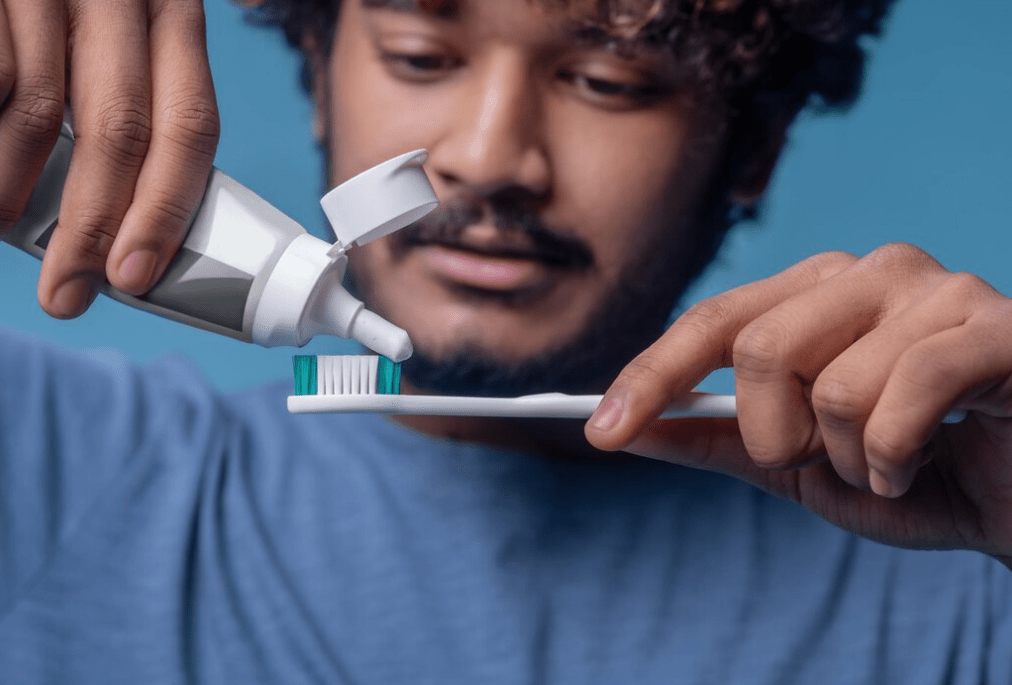
A brighter, whiter smile is one of the most popular goals people bring to their dental clinic, and it is also one of the most frequently pursued through at-home methods. The market for at-home teeth whitening products is vast and includes everything from whitening toothpastes and strips to LED kits and natural remedies. While many of these options are safe and effective when used correctly, others can cause damage to tooth enamel or irritate gum tissue if misused. If you are seeking the Best Dental Care in Aurora and considering whitening your teeth at home, understanding which methods are safe and how to use them correctly is essential before you begin.
Aurora Gateway Dental is one of the best dental clinics in Aurora, offering a full range of dental services to patients in Aurora and the surrounding area. The clinic is located at 676 Wellington Street East, Unit 3, Aurora, L4G 0K3, and can be reached at info@auroragatewaydental.com or by phone at 647-360-6047. Before pursuing any whitening treatment at home, a conversation with a qualified dental professional can help you choose the right approach for your teeth and avoid products or methods that could cause unintended harm. For patients looking for a Dental Clinic in Aurora services that include guidance on cosmetic treatments, the team at Aurora Gateway Dental is happy to help.
Understanding What Causes Tooth Discolouration
Before exploring whitening options, it helps to understand why teeth become discoloured in the first place. Tooth discolouration falls into two categories: extrinsic and intrinsic. Extrinsic staining occurs on the outer surface of the tooth enamel and is caused by contact with staining substances such as coffee, tea, red wine, tobacco, and certain foods. This type of staining is the most responsive to whitening treatments. Intrinsic discolouration originates from inside the tooth and can result from the ageing process (as the dentin beneath the enamel darkens over time), certain medications taken during tooth development, injury, or excessive fluoride exposure. Intrinsic staining is more challenging to treat and may not respond fully to over-the-counter whitening products.
Over-the-Counter Whitening Strips
Whitening strips are one of the most widely used at-home whitening products. They consist of thin plastic strips coated with a low-concentration peroxide gel that is applied directly to the tooth surface. Most strip kits require application once or twice daily for one to two weeks, with results becoming visible after a few days. When used according to the instructions, whitening strips are generally safe for healthy teeth and gums. They are most effective for extrinsic staining.
Sensitivity during and after use is a common side effect. This occurs because the peroxide in the whitening agent temporarily opens the microscopic pores in tooth enamel, which can cause sensitivity to temperature and touch. This sensitivity is usually temporary and resolves within a few days of completing the treatment. Patients with naturally sensitive teeth, exposed roots, or existing dental restorations should consult a dental professional before using whitening strips, as the product may aggravate existing sensitivity or fail to whiten restorations to match the natural teeth. Emergency Dental Care in Newmarket is available if you experience unexpected dental discomfort.
Whitening Toothpastes
Whitening toothpastes are the most accessible and lowest-risk whitening option available over the counter. They contain mild abrasives and, in some cases, low concentrations of whitening agents that help remove surface stains with daily brushing. While they can improve the appearance of surface staining over time, whitening toothpastes do not contain sufficient concentrations of active whitening agents to produce significant shade changes in tooth colour. They are most effective as a maintenance tool after completing a more intensive whitening treatment, helping to extend results by reducing the re-accumulation of stains.
When choosing a whitening toothpaste, look for products that carry the Canadian Dental Association seal or that have been assessed by a recognized dental authority. Some whitening toothpastes with high concentrations of abrasives can cause enamel wear with prolonged daily use, so checking the relative dentin abrasivity (RDA) rating of a product, if available, is a useful step.
Dentist-Prescribed At-Home Whitening Kits
For patients who want more effective results than over-the-counter products can deliver, dentist-prescribed at-home whitening kits are an excellent middle ground. These kits use custom-fitted trays made from impressions or scans of your teeth, combined with a higher-concentration whitening gel that is dispensed by your dental clinic. Because the trays fit precisely, the gel stays in contact with the tooth surfaces and does not overflow onto the gum tissue, reducing the risk of irritation.
The higher concentration of whitening agent in prescription kits produces noticeably better results than most over-the-counter strips or gels, and the custom trays can be reused for future touch-up treatments. This option is available to patients at Aurora Gateway Dental, where the team can assess your suitability for whitening treatment and provide custom trays along with professional-grade gel for safe, effective use at home. Patients interested in other cosmetic options may also explore Invisalign in Aurora for alignment concerns that affect their overall smile.
Natural Whitening Methods: What the Evidence Says
A number of natural whitening methods are widely promoted online, including oil pulling with coconut oil, activated charcoal, baking soda, and apple cider vinegar. The evidence supporting most of these methods for meaningful teeth whitening is limited, and some carry genuine risks. Activated charcoal, for example, is highly abrasive and can wear down tooth enamel with regular use, which may increase sensitivity and make teeth more vulnerable to staining over time. Apple cider vinegar is acidic and can erode enamel. Baking soda has a mild abrasive effect and some evidence supports its ability to remove surface stains, but it should not replace fluoride toothpaste and should not be used excessively.
Oil pulling has a long history in traditional medicine and is generally safe, though the scientific evidence for its teeth-whitening effect is minimal. If you choose to use natural methods alongside your regular oral hygiene routine, doing so moderately and with awareness of their limitations and potential risks is important. Discussing any at-home treatment with your dental team ensures you receive advice based on your specific dental history. Patients looking for the Best Dentist in Newmarket area can also find expert guidance at Aurora Gateway Dental, which serves communities across the surrounding region.
Who Should Avoid At-Home Whitening?
Not everyone is a suitable candidate for at-home whitening, and using these products in the wrong circumstances can cause harm. Whitening treatments are not recommended for children under sixteen, as the pulp of the tooth is still relatively large during these years and can be more sensitive to whitening agents. Pregnant or nursing individuals are advised to avoid whitening until after this period as a precaution. People with dental restorations (fillings, crowns, veneers, or bridges) on their front teeth should be aware that whitening agents do not change the colour of restoration materials, potentially creating a mismatch between natural and restored teeth.
Individuals with untreated tooth decay, gum disease, or exposed root surfaces should address these conditions with a dental professional before attempting any whitening treatment. Whitening on a tooth with a cavity or exposed root can cause significant pain and potentially worsen the condition. A dental checkup before starting any whitening regimen is always a good idea.
Maintaining Your Results
Teeth whitening results are not permanent. The degree of whiteness achieved fades over time, particularly in people who consume staining foods and beverages regularly or who smoke. To extend results, rinse your mouth with water after consuming coffee, tea, red wine, or other staining substances. Use a whitening toothpaste as a maintenance tool. Avoid smoking, which is a major contributor to both extrinsic staining and gum disease. Schedule regular professional cleanings, which remove surface stains and tartar buildup and help maintain the appearance of your smile.
Frequently Asked Questions
1. How many shades whiter can I expect from at-home whitening strips?
Most over-the-counter whitening strip kits can lighten teeth by two to four shades, depending on the starting shade and the concentration of the whitening agent. Dentist-prescribed at-home kits typically achieve more significant results. Results vary based on the nature and degree of the staining.
2. How long do teeth whitening results last?
Results typically last between six months and two years depending on lifestyle habits, diet, and home care. Regular professional cleanings, avoiding heavily staining foods and drinks, and using touch-up whitening treatments periodically can extend the results.
3. Is it safe to whiten teeth if I have sensitive teeth?
Whitening can increase sensitivity in people who already have sensitive teeth. Using a whitening product formulated for sensitive teeth, spacing out applications, or using a desensitizing toothpaste during and after treatment can help manage sensitivity. Consulting your dental team before starting treatment is recommended.
4. Can teeth whitening damage tooth enamel?
When used as directed, peroxide-based whitening products approved for dental use are not considered damaging to tooth enamel. Excessive or prolonged use beyond recommended guidelines can cause temporary sensitivity and, in some cases, mild enamel changes. Always follow product instructions and consult a dental professional if you have concerns.
5. Why do some whitening products not work on my teeth?
Whitening products that use peroxide are most effective on extrinsic (surface) staining. Intrinsic discolouration, which originates from inside the tooth, does not respond as well to over-the-counter treatments. Teeth with intrinsic staining from medications, injury, or ageing may require professional cosmetic treatments such as veneers for significant improvement.
Conclusion
At-home teeth whitening can be a safe and effective way to brighten your smile when the right products and methods are used correctly and with appropriate guidance. Understanding the different types of staining, choosing products suited to your dental health, and consulting a dental professional before starting treatment are the most important steps in achieving a good outcome. Aurora Gateway Dental is here to support patients with personalized advice on whitening options and all aspects of their oral health. Contact the clinic at info@auroragatewaydental.com, call 647-360-6047, or visit 676 Wellington Street East, Unit 3, Aurora, L4G 0K3 to book your appointment.