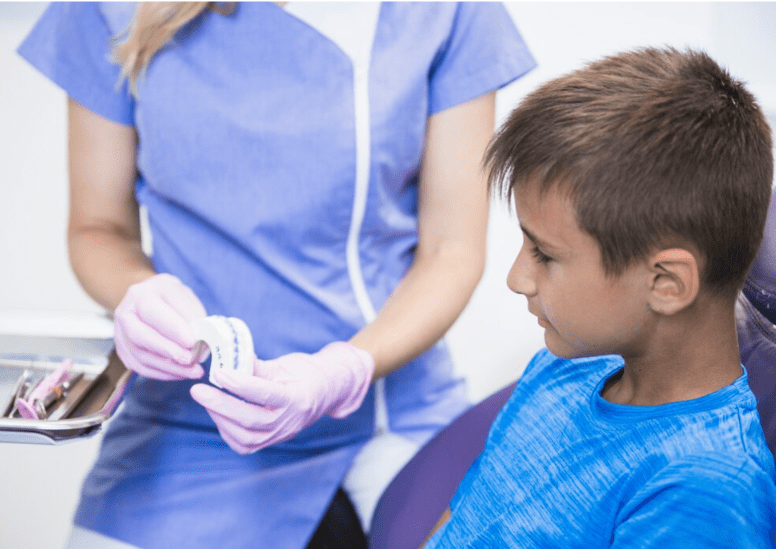
Building good dental habits in children starts early, ideally before the first tooth even appears, and the foundation laid in childhood has a direct impact on oral health for the rest of their lives. The most important habits to establish are brushing twice daily, flossing once the teeth begin to touch, eating a low-sugar diet, and attending regular dental visits every six months. Children who develop these habits early are significantly less likely to develop cavities, gum problems, or dental anxiety as they grow older.
As a parent, understanding what to do at each stage of your child’s dental development makes the process much more manageable. Many parents are unsure when to start brushing, how to make the dentist a positive experience, or what foods and beverages are most harmful to young teeth. Fortunately, guidance from a trusted Dental Clinic in Aurora can help you navigate each phase of your child’s oral development with confidence.
Good dental habits are not formed overnight. They are built through consistent routines, positive reinforcement, and age-appropriate education. Children learn by observing the adults in their lives, which means parents who model good dental hygiene practices play a powerful role in shaping their child’s habits. Quality Dental Care in Aurora for children focuses not just on treating problems but on educating the whole family and creating a dental experience that children look forward to rather than dread.
Aurora Gateway Dental Care, recognized as one of the best dental clinics in Aurora, takes a gentle, child-focused approach to pediatric dentistry and is dedicated to helping families build the habits that lead to a lifetime of healthy smiles.
When to Start Dental Care for Children
Before the First Tooth
Dental care actually begins before the first tooth erupts. After feeding, gently wipe your baby’s gums with a clean, damp cloth to remove milk residue and bacteria. This habit prepares the mouth for the arrival of teeth and gets your baby accustomed to the sensation of oral cleaning.
When the First Tooth Appears
As soon as the first tooth erupts, typically between four and seven months of age, begin brushing it twice a day with a soft-bristled infant toothbrush. Use a small smear of fluoride toothpaste no larger than a grain of rice for children under two years of age.
First Dental Visit
The Canadian Dental Association recommends that a child’s first dental visit occur within six months of the first tooth appearing, or by their first birthday, whichever comes first. This early visit allows the dentist to check for early signs of decay, assess the development of the jaw and teeth, and provide parents with personalized guidance on home care.
If you are looking for a Dentist in Aurora experienced in pediatric care, booking that first appointment early establishes a positive relationship between your child and the dental team before any treatment is ever needed.
Age-by-Age Guide to Building Dental Habits
Ages 0 to 2: Foundation Stage
- Wipe gums with a clean cloth after feeding
- Begin brushing with a grain-of-rice sized smear of fluoride toothpaste when teeth appear
- Avoid putting the baby to bed with a bottle of milk or juice, which pools sugary liquid around the teeth
- Schedule the first dental visit by age one
Ages 2 to 5: Supervised Brushing
- Increase the amount of fluoride toothpaste to a pea-sized amount at age three
- Brush your child’s teeth for them, as most children do not have the manual dexterity to brush effectively until age seven or eight
- Make brushing a fun routine by singing a two-minute song or using a timer
- Introduce flossing once two teeth begin to touch side by side
- Limit sugary snacks and drinks to mealtimes
Ages 5 to 8: Guided Independence
- Begin allowing your child to brush independently, but supervise and check their work
- Teach proper technique: small circular motions along the gum line, covering all surfaces
- Encourage flossing daily
- Consider dental sealants for the permanent back molars as they emerge
Ages 8 and Up: Building True Independence
- Children at this age can generally brush and floss effectively on their own with periodic reminders
- Discuss the impact of diet on dental health as they begin making more independent food choices
- Continue regular dental check-ups and professional cleanings every six months
Aurora Gateway Dental Care offers specialized Pediatric Dentistry in Aurora for children of all ages, from infancy through adolescence, with a warm and welcoming environment designed to put young patients at ease.
The Role of Diet in Children’s Dental Health
Foods That Protect Teeth
Encouraging healthy food choices is one of the most powerful things a parent can do for their child’s oral health. Foods that support strong, healthy teeth include:
- Dairy products such as milk, cheese, and yogurt, which are rich in calcium and phosphorus
- Crunchy fruits and vegetables such as apples, carrots, and celery, which stimulate saliva production and help clean teeth naturally
- Leafy greens rich in calcium and vitamins
- Water, particularly fluoridated tap water, which supports enamel strength and rinses the mouth between meals
Foods and Drinks to Limit
- Sugary snacks and candies, particularly sticky ones that cling to teeth
- Fruit juice, which is often high in natural sugars
- Carbonated soft drinks, which are both acidic and high in sugar
- Sports drinks, which combine acidity with sugar and are frequently consumed in large amounts by children
Limiting these foods and, when consumed, ensuring the child rinses with water and brushes shortly afterward significantly reduces the risk of childhood cavities.
Making Dental Visits a Positive Experience
Dental anxiety in adults often has its roots in negative childhood dental experiences. Creating a positive association with dental care from an early age helps ensure that your child continues to attend dental appointments throughout their life without fear or avoidance.
Tips for a positive first dental experience:
- Talk about the dentist in a calm, positive way before the appointment
- Avoid using words like “pain,” “shot,” or “drill” when discussing dental visits
- Read children’s books about visiting the dentist
- Choose a dental clinic that specializes in pediatric care and creates a child-friendly environment
- Praise your child for their bravery and cooperation during and after the visit
Common Mistakes Parents Make With Children’s Dental Health
Starting dental care too late: Waiting until a child is three or four to begin dental visits means that decay can develop undetected for years. The first dental appointment should happen by age one.
Using too much toothpaste: Young children do not know how to spit effectively and tend to swallow toothpaste. Using more than the recommended amount of fluoride toothpaste can contribute to dental fluorosis, a cosmetic condition affecting the development of permanent teeth.
Allowing juice at bedtime: Many parents give children juice or milk as a comfort before bed. When these liquids pool around the teeth overnight without brushing, they create ideal conditions for rapid decay.
Skipping flossing: Many parents brush their children’s teeth but skip flossing entirely. Flossing is essential once teeth begin to touch, as the toothbrush cannot reach these surfaces.
Assuming baby teeth do not matter: Some parents believe that since baby teeth will eventually fall out, decay in them is not a serious concern. In fact, infected baby teeth can cause pain, affect speech development, and damage the developing permanent teeth beneath them.
Prevention and Maintenance Tips
- Establish a consistent twice-daily brushing routine at the same time each day
- Make dental care a family activity rather than a solo task
- Use an age-appropriate fluoride toothpaste
- Replace toothbrushes every three months or after illness
- Ensure your child drinks water rather than juice or soda throughout the day
- Talk to your dentist about dental sealants for the permanent molars
- Attend six-monthly dental check-ups without fail
Aurora Gateway Dental Care is located at 676 Wellington St E, Aurora, ON L4G 0K3. You can contact the clinic at (647) 360-6047 or by email at info@auroragatewaydental.com. As one of the best dental clinics in Aurora, they provide a warm, welcoming environment for children at every stage of their dental development.
Frequently Asked Questions
Q1: When should my child first see a dentist? Your child’s first dental visit should take place within six months of the first tooth appearing or by their first birthday, whichever comes first. Early visits allow the dentist to check development, identify any early signs of decay, and provide personalized guidance on home care.
Q2: How do I make brushing fun for my child? Use a two-minute timer or play a favorite song to make brushing feel like a game. Let your child choose their own toothbrush in a color or character they like. Praise them consistently after brushing, and brush your teeth alongside them so they see it as a normal part of the daily routine.
Q3: Are dental X-rays safe for children? Yes, dental X-rays for children involve very low levels of radiation and are considered safe. Your child’s dentist will only recommend X-rays when clinically necessary, such as to detect decay between teeth, monitor tooth development, or assess the jaw. Lead aprons and modern digital X-ray technology minimize exposure further.
Q4: Should my child use fluoride toothpaste? Yes. The Canadian Dental Association recommends using fluoride toothpaste for children from the time the first tooth appears. Use a grain-of-rice sized amount for children under three and a pea-sized amount for children aged three to six. Choose a child-formulated toothpaste with an appropriate fluoride concentration.
Q5: What are dental sealants and does my child need them? Dental sealants are thin protective coatings applied to the chewing surfaces of the back molars to prevent decay in the deep grooves where food and bacteria tend to collect. They are particularly recommended for children as the permanent molars emerge, typically around ages six and twelve. Sealants are painless, quick to apply, and highly effective at preventing cavities in these vulnerable areas.
Conclusion
Building good dental habits in children is one of the most valuable gifts a parent can give. Starting early, maintaining consistent routines, creating positive dental experiences, and partnering with a pediatric-friendly dental team all contribute to a lifetime of strong oral health. The habits children develop in their early years become the foundation for the choices they make as adults. Investing in that foundation now pays dividends in health, confidence, and wellbeing for decades to come.