Introduction
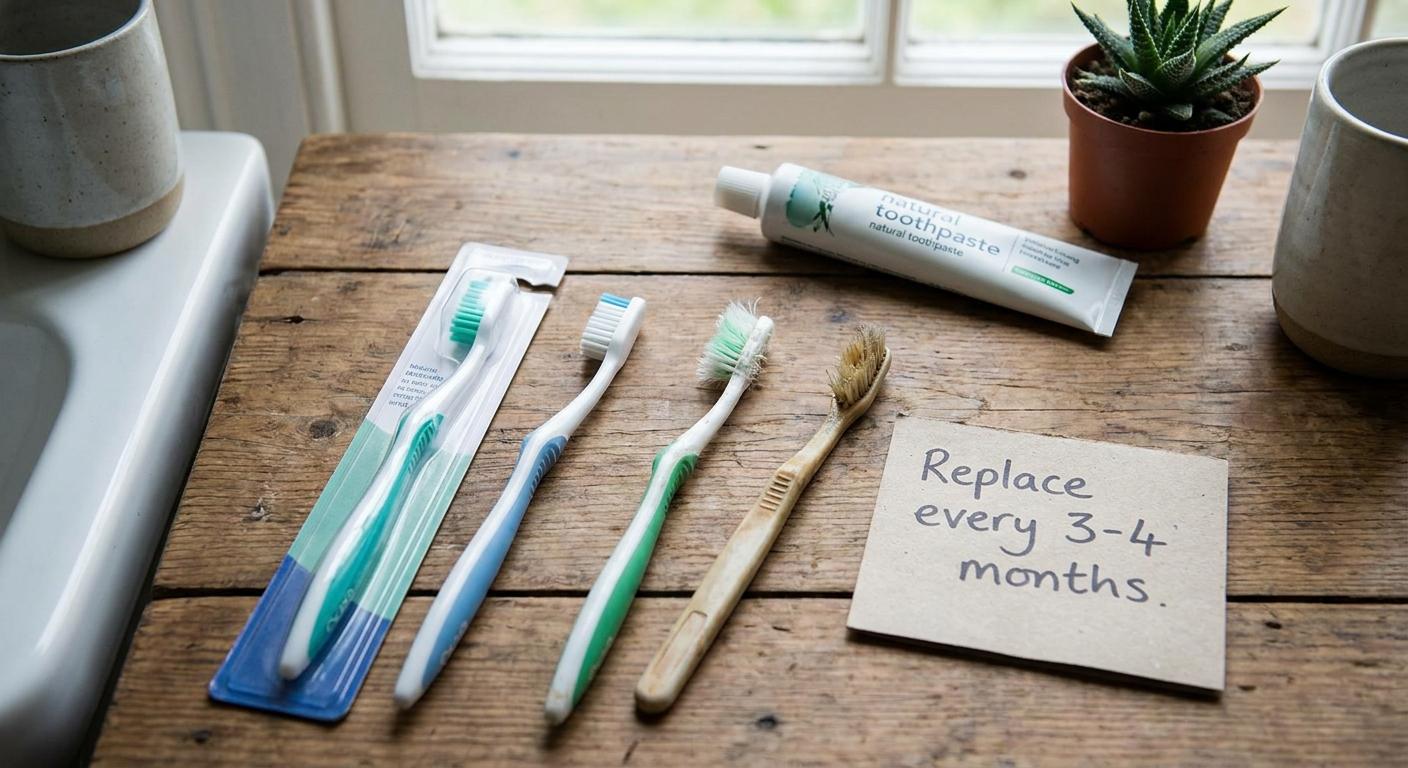
You should replace your toothbrush every three to four months, or sooner if the bristles show visible signs of wear such as fraying, splaying, or flattening. A worn toothbrush is significantly less effective at removing plaque from tooth surfaces and the gum line, and it can also harbor bacteria and other microorganisms that a fresh brush would not carry.
Most people hold onto their toothbrush far longer than they should, often without realizing that the cleaning performance has diminished significantly long before they make the switch. Knowing the right time to replace your brush, and why it matters, is one of the simplest but most meaningful steps you can take for your daily oral health routine.
For personalized guidance on building a complete and effective daily hygiene routine, patients can turn to a Dental Clinic in Aurora for professional recommendations tailored to their individual needs.
Why Toothbrush Replacement Matters
A toothbrush functions by physically disrupting and removing plaque from tooth surfaces, the margins between teeth, and along the gum line. When bristles are new and properly upright, they perform this function efficiently and reach into the small grooves and spaces where plaque tends to accumulate.
As bristles wear down and bend outward from repeated use, their ability to clean effectively diminishes considerably. Research has consistently demonstrated that worn toothbrushes remove significantly less plaque than new ones, which means that even if you brush for the full recommended two minutes, an old brush is not delivering the same result.
Beyond cleaning effectiveness, toothbrushes accumulate bacteria, mold, and residual oral debris over time, particularly when stored in humid bathroom environments without adequate air circulation.
Signs That Your Toothbrush Needs to Be Replaced
You do not need to wait for an exact three-month date on the calendar. Look for these clear indicators that your brush needs to be changed:
- Bristles are visibly bent, frayed, or fanned outward beyond the base of the brush head
- The color indicator bristles, if present, have faded significantly
- The brush has an unusual or unpleasant odor despite regular rinsing
- You have recently recovered from a cold, flu, strep throat, or any other contagious illness
- The brush was dropped on the floor or in the toilet
- You are unable to remember when you last replaced it
Regardless of visual appearance, no toothbrush should be used for more than four months under any circumstances.
How to Choose the Right Toothbrush
Selecting the right toothbrush for your needs has a meaningful impact on the effectiveness of your daily cleaning and the health of your gum tissue.
Bristle Type
Soft bristles are the professional standard recommendation for the vast majority of adults. They remove plaque efficiently without posing a risk of enamel erosion or gum recession that medium or hard bristles can cause when used with any significant pressure. Medium and hard bristle options are not recommended for most patients.
Brush Head Size
A brush head that is too large for your mouth will not reach the back molars effectively and will feel unwieldy. Choose a head size that fits comfortably and allows the bristles to access all tooth surfaces without forcing the handle at an uncomfortable angle.
Manual vs Electric
Both manual and electric toothbrushes can maintain excellent oral hygiene when used with proper technique and consistent timing. However, studies regularly show that electric toothbrushes with oscillating or sonic technology remove more plaque on average, particularly for individuals who struggle with proper manual brushing technique, have limited dexterity, or wear orthodontic appliances.
For specific toothbrush recommendations and technique guidance, patients can access Dental Care in Aurora at Aurora Gateway Dental Care, where the team provides individualized preventive guidance as part of every appointment.
Caring for Your Toothbrush Between Replacements
Proper care between replacements supports better hygiene and extends the useful life of the brush:
- Rinse the brush head thoroughly under running water after every use to remove all toothpaste and debris
- Store the toothbrush upright in an open holder that allows the bristles to air dry completely
- Do not store it in a closed container or cover the head, as enclosed moisture promotes bacterial and mold growth
- Keep individual toothbrushes separated to prevent cross-contamination between family members
- Never share a toothbrush with anyone, regardless of your relationship
Replacing Your Toothbrush After Illness
If you have had a contagious illness such as a cold, influenza, or strep throat, replace your toothbrush once you have recovered. While re-infecting yourself with the same virus is unlikely, bacterial pathogens such as those responsible for strep throat can persist on bristles and present an unnecessary risk.
After any oral infection including a cold sore, gum abscess, or episode of oral thrush, replace your toothbrush immediately to avoid reintroducing the responsible pathogen into a healing oral environment.
A Dentist in Aurora can provide specific post-illness oral hygiene recommendations as part of your preventive care plan during your next appointment.
Toothbrush Replacement for Children
Children’s toothbrushes wear out faster than adult brushes because children frequently chew on the bristle head rather than brushing with proper technique. Parents should check their child’s toothbrush monthly rather than waiting for the three-month mark, and replace it at the first sign of visible wear.
Using a worn toothbrush on developing teeth and soft gum tissue is particularly ineffective at maintaining the cleanliness needed to prevent early childhood cavities, one of the most common and entirely preventable dental problems affecting young children.
Situations Requiring More Frequent Replacement
Several specific circumstances call for more frequent toothbrush replacement than the standard three-to-four-month guideline:
- Patients who brush with excessive pressure wear bristles down significantly faster
- Patients with fixed orthodontic appliances such as braces, which cause accelerated bristle wear
- Post-surgical patients who should begin with a fresh brush to minimize infection risk
- Immunocompromised individuals who should minimize pathogen exposure from an aging brush
Aurora Gateway Dental Care is one of the best dental clinics in Aurora, providing professional cleanings, comprehensive preventive assessments, and personalized oral hygiene coaching at every visit. Contact the team at (647) 360-6047 or info@auroragatewaydental.com. The clinic is located at 676 Wellington St E, Aurora, ON L4G 0K3.
Toothbrush Replacement as Part of Preventive Dentistry
Toothbrush replacement is one component within a broader and highly effective preventive dentistry strategy. When combined with professional cleanings and examinations twice yearly, daily fluoride toothpaste use, consistent flossing, a diet low in added sugars, and appropriate fluoride exposure, maintaining a fresh and effective toothbrush contributes meaningfully to a lifetime of strong and healthy teeth.
For a complete preventive care program designed around your individual risk profile and lifestyle habits, Preventative Dentistry in Aurora at Aurora Gateway Dental Care offers the full spectrum of protective services and guidance to keep your smile healthy year-round.
The Environmental Consideration
Billions of plastic toothbrushes are disposed of globally each year, contributing significantly to plastic waste. For patients interested in reducing their environmental footprint without compromising oral health, several sustainable alternatives are worth exploring:
- Bamboo toothbrushes with biodegradable handles and standard nylon bristles
- Replacement-head toothbrush systems where only the bristle section is discarded
- Manufacturer or retailer toothbrush recycling programs available in some regions
Switching to a more sustainable toothbrush format does not require any compromise in oral cleaning effectiveness as long as the replacement schedule remains the same.
Common Mistakes People Make with Their Toothbrush
- Continuing to use the same toothbrush for six months, a year, or longer
- Storing the toothbrush in a closed container or travel case permanently, promoting bacterial growth
- Sharing a toothbrush with a partner or child, even occasionally
- Continuing to use the same brush after recovering from an illness
- Not checking children’s brushes monthly for signs of accelerated wear
- Selecting medium or hard bristles believing they clean more effectively
Frequently Asked Questions
Q1: Is it okay to use an electric toothbrush handle for years at a time? Yes. The electric toothbrush handle itself can be used indefinitely with proper care. However, the replacement brush head must still be changed every three to four months, following the same schedule as a manual toothbrush.
Q2: Can a worn toothbrush cause damage to teeth or gums? Yes. A severely frayed toothbrush used with too much pressure can contribute to enamel erosion and gum recession over time. It also fails to remove plaque effectively, increasing the risk of cavities and gum disease.
Q3: How should I store my toothbrush to keep it clean? Store it upright in an open-air holder that allows the bristles to dry completely between uses. Avoid covering the brush head or placing it in a closed case when at home, as enclosed moisture accelerates bacterial and mold growth.
Q4: What bristle firmness is best for someone with sensitive gums? Soft bristles are the most appropriate choice for virtually everyone, including those with gum sensitivity, recession, or a history of gum disease. They clean effectively while protecting both the gum tissue and tooth enamel from mechanical damage.
Q5: Should children replace their toothbrush more frequently than adults? Generally yes. Children tend to chew on toothbrush heads and brush with less controlled technique, accelerating bristle wear. Parents should inspect children’s brushes at least monthly and replace them whenever significant wear is visible, regardless of how recently the brush was purchased.
Conclusion
Replacing your toothbrush every three to four months is one of the simplest and most cost-effective habits for protecting your oral health over a lifetime. A fresh toothbrush removes plaque more effectively, maintains healthier gum tissue, and reduces exposure to accumulated bacteria in ways a worn brush cannot. Paired with professional dental cleanings, consistent daily flossing, and regular checkups, timely toothbrush replacement is a small action with an outsized long-term impact on your smile.