Good dental care for kids and toddlers begins earlier than most parents expect and has a lasting impact that extends well beyond the primary teeth. The habits built in the first few years of a child’s life, the brushing routines, the dietary choices, and the comfort with dental visits, form the foundation of their oral health for decades. Starting early, being consistent, and partnering with a dental team experienced in children’s care make all the difference. Aurora Gateway Dental Care is one of the best dental clinics in Aurora for children’s dental health, providing age-appropriate, gentle care from the first visit through adolescence. Families looking for a reliable Dental Clinic in Aurora for their children will find a welcoming, experienced team at Aurora Gateway Dental Care.
One of the most important things parents can know is that baby teeth matter. Primary teeth are not simply placeholders that will be replaced by permanent teeth. They maintain the spacing and jaw development that permanent teeth need to erupt correctly. They play a critical role in speech development, chewing function, and the child’s social confidence. A severely decayed or prematurely lost primary tooth can disrupt the eruption path of the permanent successor and lead to orthodontic complications. Partnering with a team that provides thorough Dental Care in Aurora for children from the very start protects both the primary teeth and the developing permanent teeth beneath them.
When to Start Dental Care
Dental care begins before teeth appear. Even before the first tooth erupts, parents should clean an infant’s gum pads with a soft, damp cloth after each feeding. This removes milk residue and bacteria and begins the routine that will transition naturally into tooth brushing when the first tooth emerges.
The Canadian Dental Association recommends the first dental visit within six months of the eruption of the first tooth, and no later than the first birthday. The first appointment is primarily an assessment and education visit rather than a clinical procedure, but it begins the relationship between the child and the dental environment at an age when there is no discomfort associated with the visit. Starting before any dental problems develop means the first visit is purely positive.
Toothbrushing for Infants and Toddlers
As soon as the first tooth erupts, brushing should begin. Use a soft infant toothbrush with a very small head and a rice-grain-sized smear of fluoride toothpaste. The rice-grain amount is the recommended quantity for children under three. The goal is to clean all surfaces of any erupted teeth and the gumline, which only takes 30 to 60 seconds at this stage. The child does not need to spit at this age.
Between the ages of three and six, a pea-sized amount of fluoride toothpaste is used. Children at this age can begin to participate in brushing, but should be supervised and have their technique supplemented by a parent or caregiver to ensure all surfaces are adequately cleaned. Children’s fine motor development is typically not sufficient for effective independent brushing until approximately age eight. Maintaining parental oversight until this stage ensures consistent plaque removal during the years when primary tooth cavities are most common.
Flossing for Children
Flossing should begin as soon as two teeth are in contact with each other, because this is when food and bacteria can accumulate between the teeth where the brush cannot reach. For toddlers, floss picks designed for small mouths make the process easier to manage than traditional floss for both the parent and the child. Daily flossing is the standard, though achieving this consistently in young children requires patience and persistence.
As children develop more manual dexterity in the early school years, they can begin to take on flossing independently, with parental guidance and checking until the habit is well established. The same transition applies to brushing: moving gradually from fully parent-managed to child-led with parental oversight to fully independent as skill and reliability develop. Speaking with a Dentist in Aurora about the appropriate progression for your child’s age and development gives parents a clear, practical framework to follow.
Diet and Its Impact on Children’s Teeth
Diet is one of the most powerful determinants of childhood cavity rates. The frequency of sugar and fermentable carbohydrate exposure matters more than the total amount. A child who eats one small sweet at lunchtime has far less tooth decay risk than a child who grazes on crackers, juice, raisins, or fruit pouches throughout the day, because each exposure restarts the acid attack on enamel.
Juice and sweetened beverages, even those marketed to children as healthy, are among the most significant contributors to early childhood cavities when consumed frequently. Water and milk are the most appropriate beverages for children between meals. Sticky foods, including gummy sweets, dried fruit, and chewy granola bars, adhere to tooth surfaces and prolong acid exposure. Offering these foods as occasional mealtime items rather than regular snacks reduces the dental impact significantly.
Early childhood caries, sometimes called baby bottle tooth decay, specifically affects infants and toddlers who are given bottles or sippy cups containing milk, formula, or juice at sleep times. The prolonged contact of the liquid with tooth surfaces during sleep, when saliva flow is reduced, creates conditions for rapid, severe decay in the upper front teeth. Babies and toddlers should never go to sleep with a bottle containing anything other than water.
Preventive Treatments for Children
Fluoride varnish applied professionally at dental visits significantly reduces cavity rates in children. Most dental teams apply fluoride varnish at every routine visit for children, especially those under six. The varnish is painted directly onto the teeth and remains in contact with the enamel for several hours after the appointment, delivering a concentrated fluoride dose that strengthens the enamel structure.
Dental sealants are thin resin coatings applied to the chewing surfaces of the permanent back teeth when they erupt, usually the six-year and twelve-year molars. The deep grooves and pits on these surfaces are where most childhood cavities develop, and sealing them eliminates the protected space where bacteria accumulate. Sealants are painless, require no drilling, and reduce cavity rates in treated teeth by approximately 80 per cent over the first two years.
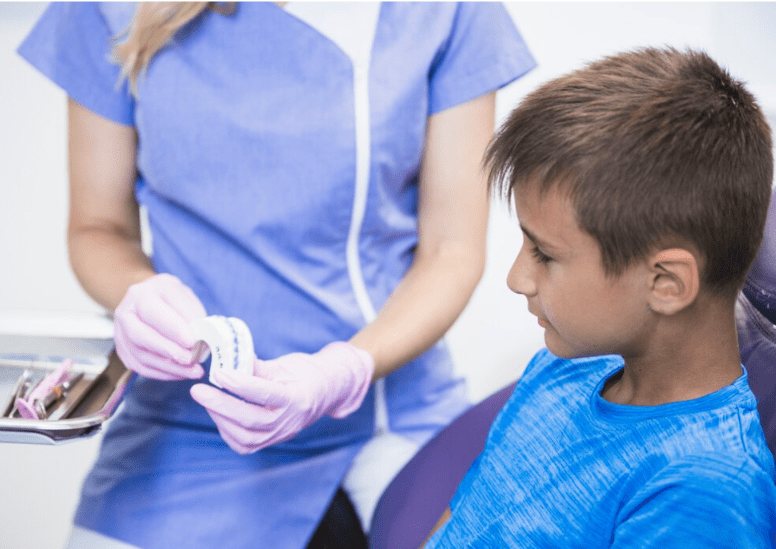
Mouthguards are another preventive treatment that is frequently discussed during children’s dental visits. Any child or teenager involved in contact sports, including hockey, rugby, basketball, football, and even recreational cycling and skateboarding, should wear a custom-fitted mouthguard. Custom mouthguards fabricated by the dental team provide far better protection than over-the-counter boil-and-bite versions because they are made from an exact model of the child’s teeth and fit securely without restricting breathing or speech. Aurora Gateway Dental Care at 676 Wellington St E, Aurora, ON L4G 0K3, provides preventive and paediatric dental services for children at every developmental stage, and the team is experienced in making dental visits comfortable and positive for children of all temperaments. Patients can reach the team at info@auroragatewaydental.com or (647) 360-6047. Aurora Gateway Dental Care is one of the best dental clinics in Aurora for comprehensive children’s dental care.
Managing Dental Anxiety in Children
Dental anxiety in children is common and almost always rooted in the unknown. Children who have never been to the dentist or who have only attended when something was wrong are far more likely to be anxious than those who have attended regularly from an early age in a positive, unhurried environment. Choosing a practice where the team is experienced with children, where the waiting area is child-friendly, and where the team takes time to explain everything in age-appropriate terms dramatically reduces anxiety over time.
Parents play a significant role in shaping children’s dental attitudes. Speaking about dental visits positively and matter-of-factly, avoiding any language that associates dental care with pain or fear, and remaining calm in the dental environment all contribute to the child’s sense of safety. Reading books about dental visits and playing dentist at home with a toothbrush and a small mirror are effective preparation strategies.
For parents in Aurora who want to understand more about the specific paediatric dental services available and how to prepare their child for their first visit, detailed information is available at Pediatric Dentistry in Aurora on the Aurora Gateway Dental Care website.
Frequently Asked Questions
When should I start brushing my baby’s teeth?
Start brushing as soon as the first tooth erupts, using a soft infant toothbrush and a rice-grain-sized smear of fluoride toothpaste. Even before teeth appear, cleaning the gum pads with a soft damp cloth after feeding is a good habit. Starting early makes the routine natural for the child and ensures that primary teeth are clean and protected from the moment they emerge.
How much toothpaste should I use for my toddler?
For children under three, a rice-grain-sized smear of fluoride toothpaste is the recommended amount. For children between three and six, a pea-sized amount is appropriate. These quantities are specifically chosen to minimise the risk of fluorosis from swallowed toothpaste while still providing meaningful cavity protection. Supervising brushing and encouraging children to spit helps manage fluoride intake.
My child refuses to let me brush their teeth. What should I do?
Resistance to tooth brushing is common in toddlers and can be managed with some creativity. Letting the child choose their toothbrush and toothpaste flavour, making brushing a game with a timer or a brushing song, letting the child “brush” first and then the parent finishes, and brushing alongside the child as a shared activity all improve cooperation over time. Consistency is more important than perfection.
Are fluoride treatments at the dentist’s safe for children?
Yes. Professionally applied fluoride varnish is one of the most effective and well-studied preventive interventions available for children. The amount of fluoride used is carefully controlled and does not pose a risk when applied by a trained dental professional. Its benefit in reducing childhood cavity rates is substantial and well-documented in clinical research.
What is the best way to handle a child’s dental emergency?
Stay calm, as the child will mirror your emotional state. For a knocked-out baby tooth, do not try to re-implant it. Apply gentle pressure to control bleeding and contact the dental clinic for guidance. For a knocked-out permanent tooth, handle it by the crown, rinse it gently without scrubbing, try to reinsert it in the socket, and seek emergency dental care immediately. For a broken tooth or severe toothache, contact the dental clinic for prompt assessment.
Conclusion
Dental care for kids and toddlers is one of the most valuable health investments parents can make. Starting early, building consistent brushing habits, managing diet thoughtfully, and attending regular dental visits with a team that genuinely understands children’s needs sets children up for a lifetime of healthy smiles. Aurora Gateway Dental Care in Aurora is committed to making every child’s dental experience a positive one.