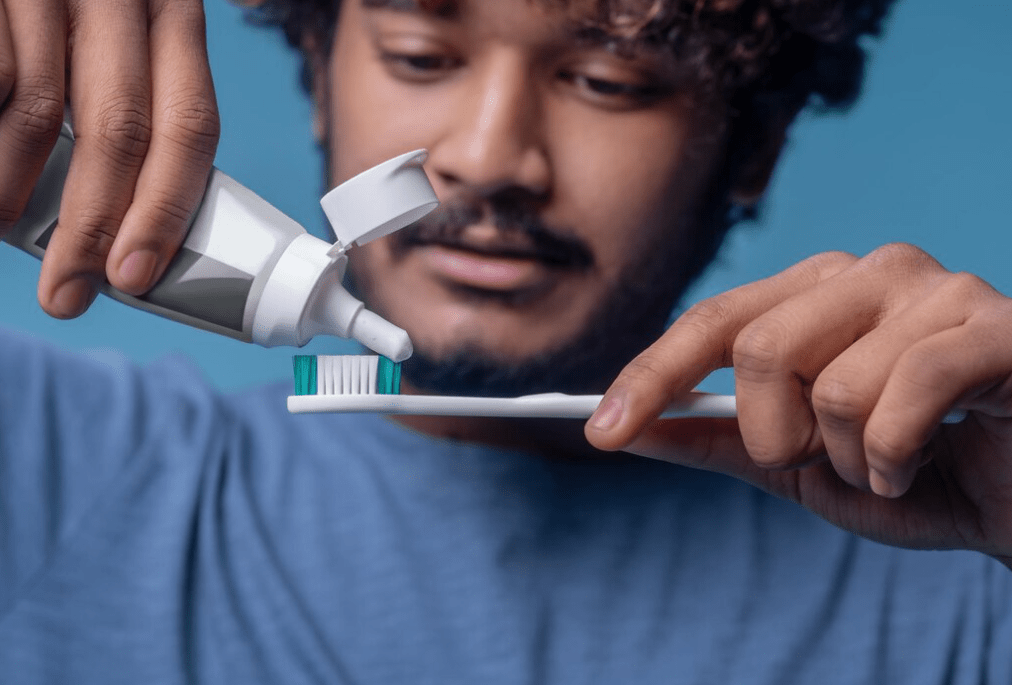
Walk down any oral care aisle, and you will find dozens of whitening toothpastes promising a brighter, more radiant smile. Bold claims on the packaging can make it tempting to reach for one of these products, but many patients are left wondering whether whitening toothpaste actually delivers on its promises or whether it is more marketing than results. If you have been curious about whether switching to a whitening toothpaste is worth it, this guide breaks down the science, sets realistic expectations, and helps you understand when professional dental support might be the better option.
For patients in the region looking for personalized oral health advice, visiting a trusted Dental Clinic in Aurora is one of the most reliable ways to get answers tailored to your specific needs. Aurora Gateway Dental, located at 676 Wellington Street East, Unit 3, Aurora, L4G 0K3, is committed to helping patients navigate their oral health decisions with clarity and confidence, from understanding over-the-counter products to exploring professional treatment options.
Understanding What Whitening Toothpaste Actually Contains
To understand whether whitening toothpaste works, it helps to first look at what is actually inside the tube. Most whitening toothpastes rely on one or a combination of three main mechanisms: mild abrasives, chemical agents, and blue covarine technology.
Mild abrasives such as hydrated silica, calcium carbonate, or baking soda are found in most regular toothpastes as well, but whitening formulas often contain a slightly higher concentration. These abrasives work by physically scrubbing away surface stains caused by food, beverages, and other lifestyle habits. They do not alter the natural colour of your teeth; they simply polish away the buildup that sits on the enamel surface.
Some whitening toothpastes also contain chemical agents such as hydrogen peroxide or carbamide peroxide. These are the same types of bleaching agents used in professional whitening treatments, though in significantly lower concentrations. The contact time when brushing, which is typically around two minutes, is generally considered too brief for these ingredients to penetrate the enamel deeply enough to change its underlying colour in the way professional treatments can.
Blue covarine is a more recent addition found in certain whitening toothpaste formulas. It works by depositing a thin optical layer on the enamel that makes teeth appear slightly whiter immediately after brushing. This is an optical illusion rather than a structural change, but it can create a noticeable visual difference in the short term.
What Whitening Toothpaste Can and Cannot Do
Understanding the limitations of whitening toothpaste is just as important as understanding its potential benefits. Whitening toothpastes can be effective at reducing extrinsic stains, which are stains that sit on the outer surface of the enamel. These are typically caused by coffee, tea, red wine, certain foods, and tobacco use. With regular use over several weeks, many people notice a modest improvement in the appearance of surface-level discolouration.
However, whitening toothpaste cannot address intrinsic staining. Intrinsic stains are discolourations that occur within the structure of the tooth itself, often caused by factors such as certain medications taken during tooth development, dental trauma, excessive fluoride exposure during childhood, or the natural aging process. These types of stains require professional intervention and cannot be addressed with any over-the-counter toothpaste, regardless of its whitening claims.
For patients who are serious about achieving a meaningfully brighter smile, exploring the full range of options available through Preventive Dentistry in Aurora at Aurora Gateway Dental is a strong starting point. Professional cleanings, for example, can remove calculus and stubborn surface staining in ways that no toothpaste can replicate.
How Long Does It Take to See Results?
This is one of the most commonly asked questions when it comes to whitening toothpaste. The answer depends on several factors, including the type and severity of staining, the specific product being used, and how consistently it is applied.
For people with mild extrinsic staining, some improvement may be visible within two to six weeks of daily use. For those with heavier surface staining, it may take longer, and results will plateau once the surface stains have been cleared. Once you reach that point, continued use of whitening toothpaste functions more as a maintenance tool than a whitening treatment.
It is worth noting that overuse of highly abrasive whitening toothpastes can actually cause harm over time. Excessive abrasion can gradually wear down enamel, which is not only irreversible but can also lead to increased tooth sensitivity and a greater risk of decay. Choosing a product with a low Relative Dentin Abrasivity rating is advisable, and your dental team can point you in the right direction.
Is Whitening Toothpaste Safe for Everyone?
For most healthy adults, whitening toothpaste is safe when used as directed. However, there are certain groups who should exercise caution. People with sensitive teeth may find that whitening formulas exacerbate their discomfort due to the increased abrasive content. Children should use toothpastes specifically formulated for their age group rather than adult whitening products.
Those with existing dental restorations such as crowns, veneers, or bonding should also be aware that whitening toothpastes do not affect the colour of these materials. Using a whitening product may result in the surrounding natural teeth appearing lighter while restorations remain the same shade, creating an uneven appearance.
The Best Dental Care in Aurora takes a personalized approach to oral health, which is why Aurora Gateway Dental encourages patients to discuss any new products they are considering with their dental team. A professional assessment ensures you are making choices that align with your unique oral health needs and goals.
When to Consider Professional Whitening Instead
If over-the-counter whitening toothpaste is not delivering the results you are hoping for, professional teeth whitening treatments offer a more powerful and controlled approach. Professional whitening uses higher concentrations of bleaching agents applied under clinical supervision, which means faster and more noticeable results with appropriate safeguards in place.
Professional treatments can be particularly effective for patients dealing with moderate extrinsic staining that has not responded to home care, or for those who want a more uniform result ahead of an important event or milestone. For patients across the region seeking the Best Dentist in Newmarket or Aurora for whitening guidance, Aurora Gateway Dental offers consultations to help determine the most appropriate and effective approach for each individual.
If you ever find yourself facing sudden tooth pain, a dental injury, or any urgent oral health concern while researching cosmetic options, knowing where to access Emergency Dental Care in Newmarket is essential. Aurora Gateway Dental serves patients across the Aurora and Newmarket area with comprehensive care designed to address both routine and urgent dental needs. Reach the clinic at 647-360-6047 or by email at info@auroragatewaydental.com to book an appointment or ask about available services.
Frequently Asked Questions
1. Does whitening toothpaste actually change the colour of your teeth?
Whitening toothpaste primarily removes surface stains rather than altering the natural colour of your enamel. It can make teeth appear cleaner and slightly brighter, but it does not produce the same degree of colour change as professional whitening treatments.
2. How often should I use whitening toothpaste?
Most whitening toothpastes are designed for daily use. However, if you have sensitive teeth or concerns about enamel wear, it may be beneficial to alternate between a whitening formula and a regular or sensitivity toothpaste. Your dental team can offer personalized guidance.
3. Can whitening toothpaste damage enamel?
Some whitening toothpastes contain abrasives that, with overuse, can contribute to enamel wear. Choosing a product with a lower abrasivity rating and using it as directed reduces this risk significantly.
4. Will whitening toothpaste work on crowns, veneers, or bonding?
No, whitening toothpaste does not change the colour of dental restorations. If you have crowns, veneers, or bonded teeth, using whitening products may cause a colour mismatch between your natural teeth and your restorations.
5. At what age can someone start using whitening toothpaste?
Whitening toothpastes are generally formulated for adults. Children and teenagers should use toothpastes specifically designed for their age group. If a younger patient is concerned about tooth colour, a dental consultation is the appropriate first step.
Conclusion
Whitening toothpaste can be a practical and accessible tool for maintaining a cleaner, brighter smile when used consistently and correctly. It works best for managing mild surface staining and is a reasonable part of a broader oral hygiene routine. That said, it is not a substitute for professional dental care, and its ability to produce dramatic results is limited by its concentration and contact time. For patients who want a truly effective whitening outcome or who have concerns about the health of their teeth and gums, consulting with a dental professional is always the most reliable path forward. Aurora Gateway Dental in Aurora is here to help. Book your visit today at 676 Wellington Street East, Unit 3, Aurora, L4G 0K3, call 647-360-6047, or email info@auroragatewaydental.com.