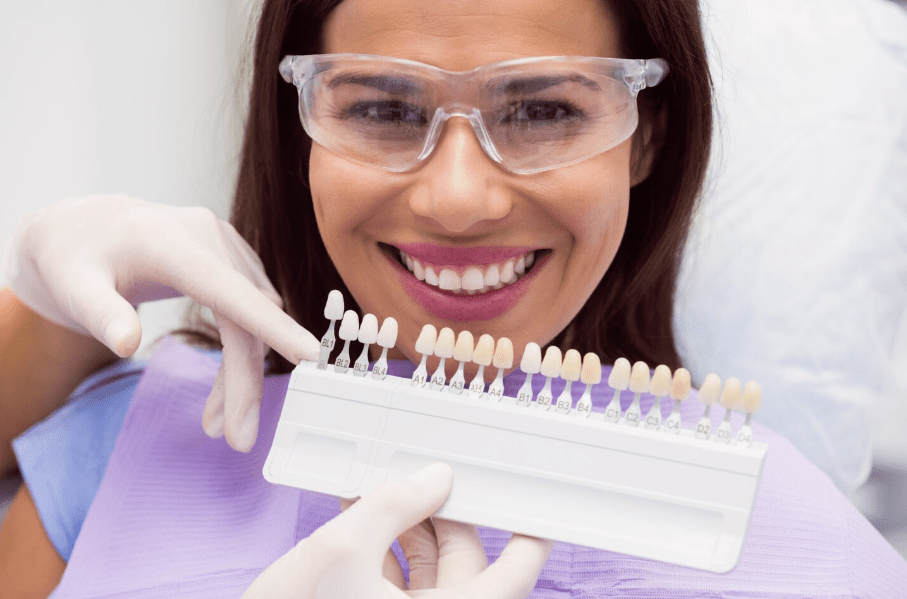
Dental veneers have become one of the most popular cosmetic dentistry solutions for transforming smiles by correcting discoloration, chips, gaps, and minor misalignment. When considering veneers, one of the most important decisions you’ll make is choosing between composite resin and porcelain materials. Each option offers distinct advantages, limitations, and characteristics that make it suitable for different situations and patient needs. Understanding the differences between composite and porcelain veneers helps you make informed decisions about which material best serves your aesthetic goals, lifestyle, and budget. At Aurora Gateway Dental, recognized as the best dental care in Aurora, experienced cosmetic dentistry professionals guide patients through veneer options and create beautiful, natural-looking results with both composite and porcelain materials.
Understanding Composite Veneers
Composite veneers are made from tooth-colored resin material applied directly to your teeth and sculpted into the desired shape by your dentist. This process, also called dental bonding when used for repairs, involves layering composite material onto the tooth surface, shaping it to correct imperfections, and hardening it with a special curing light.
The procedure typically requires minimal tooth preparation, with little to no enamel removal in many cases. This conservative approach preserves natural tooth structure while still achieving significant cosmetic improvements. Composite veneers can usually be completed in a single dental visit, making them a convenient option for patients seeking quick results.
The resin material bonds directly to tooth enamel through adhesive agents, creating a strong attachment that restores both appearance and some degree of strength to damaged teeth. Multiple shades of composite material can be layered to create natural-looking depth and translucency that mimics real tooth enamel.
The skilled professionals providing comprehensive dental veneers in Aurora at Aurora Gateway Dental have extensive experience with composite veneer techniques and can create beautiful results that blend seamlessly with your natural teeth.
Understanding Porcelain Veneers
Porcelain veneers are thin shells of dental ceramic custom-fabricated in a dental laboratory based on impressions or digital scans of your teeth. These restorations are then permanently bonded to the front surfaces of your teeth, covering imperfections and creating the smile design you desire.
Creating porcelain veneers requires preparing your teeth by removing a thin layer of enamel, typically about half a millimeter, to accommodate the veneer thickness while maintaining natural tooth contours. This preparation is permanent and irreversible, meaning you’ll always need veneers or another restoration on those teeth.
The process typically requires two dental appointments separated by two to three weeks while the laboratory fabricates your custom veneers. Temporary veneers protect your prepared teeth and maintain appearance during this waiting period.
Porcelain offers superior optical properties that closely mimic natural tooth enamel, reflecting light similarly and creating remarkably lifelike results. The material is highly stain-resistant and maintains its appearance for many years with proper care.
The experienced team at the trusted dental clinic in Aurora, Aurora Gateway Dental, works with premier dental laboratories to create porcelain veneers of exceptional quality and aesthetics.
Comparing Aesthetics and Appearance
When it comes to appearance, both composite and porcelain veneers can create beautiful results, though porcelain generally offers advantages in achieving the most natural, lifelike aesthetics. Porcelain’s translucency and light-reflecting properties closely mimic natural tooth enamel, making these veneers virtually indistinguishable from real teeth in most lighting conditions.
Composite veneers can also look very natural, especially when placed by skilled dentists using advanced layering techniques. However, composite material typically appears slightly more opaque than porcelain and may not achieve quite the same depth and translucency.
Both materials can be shade-matched to your natural teeth or designed to create the brighter, whiter smile you desire. The ability to customize color makes both options suitable for achieving your aesthetic goals.
Over time, composite material is more prone to staining than porcelain. Coffee, tea, red wine, and tobacco can gradually discolor composite veneers, while porcelain maintains its original shade indefinitely. However, composite veneers can be polished or touched up to refresh their appearance, which isn’t possible with porcelain.
Durability and Longevity Comparison
Porcelain veneers typically outlast composite alternatives significantly. With proper care, porcelain veneers commonly last 10 to 15 years or even longer before requiring replacement. The ceramic material is exceptionally hard and resistant to wear, chipping, and scratching.
Composite veneers generally last 5 to 7 years with good maintenance, though this timeframe varies based on factors like oral hygiene, dietary habits, and whether you grind your teeth. The resin material is softer than porcelain and more susceptible to wear, chipping, and staining over time.
Both types of veneers can be damaged by trauma, excessive force from grinding or clenching, or chewing extremely hard objects. However, an interesting advantage of composite veneers is that they can often be repaired if chipped or damaged, while porcelain veneers typically require complete replacement if significantly damaged.
The professionals at Aurora Gateway Dental, known for providing emergency dental care in Newmarket and surrounding areas, can address veneer damage promptly when issues arise, repairing composite veneers when possible or guiding porcelain veneer replacement.
Treatment Process and Timeline
The treatment process differs significantly between composite and porcelain veneers. Composite veneers offer the advantage of same-day completion in most cases. During a single appointment lasting one to two hours depending on the number of teeth being treated, your dentist prepares the teeth minimally if needed, applies and shapes the composite material directly on your teeth, and completes the treatment.
This immediate transformation appeals to patients who want quick results or have time constraints. You leave the appointment with your new smile fully complete, requiring no temporary restorations or waiting periods.
Porcelain veneers require a multi-visit process. Your first appointment involves tooth preparation, taking impressions or digital scans, selecting the shade and characteristics for your veneers, and placing temporary veneers. The laboratory fabrication period typically takes two to three weeks, during which skilled technicians craft your custom porcelain veneers.
At your second appointment, temporary veneers are removed, and your permanent porcelain veneers are checked for fit, appearance, and comfort before being permanently bonded to your teeth. This careful process allows for exceptional quality and customization but requires patience.
Cost Considerations
Composite veneers typically cost significantly less than porcelain veneers per tooth, making them more accessible for patients with budget constraints. The direct application process eliminates laboratory fees and requires fewer appointments, reducing overall expenses.
Porcelain veneers represent a larger investment due to laboratory fabrication costs, more complex procedures, and the premium quality of the ceramic material. However, their superior longevity means the cost per year of use may actually be comparable to composite veneers when considering that porcelain lasts roughly twice as long.
Many dental insurance plans consider veneers cosmetic procedures and provide little to no coverage. However, the administrative team at the premier dental clinic in Aurora, Aurora Gateway Dental, can help you understand any available benefits and explore payment plans that make either option more manageable.
When evaluating cost, consider long-term value rather than just initial expenses. Porcelain’s durability and stain resistance may provide better value over time despite higher upfront costs, while composite’s affordability and repairability offer advantages for different situations.
Tooth Preparation Requirements
Composite veneers require minimal tooth preparation in most cases. Often, little to no enamel removal is necessary, making this a more conservative, reversible option. This preservation of natural tooth structure appeals to patients who want to maintain as many of their original teeth as possible.
Porcelain veneers require permanent alteration of tooth structure. The thin layer of enamel removed to accommodate veneer thickness cannot be replaced, meaning you’ll always need veneers or another restoration on those teeth. While this preparation is carefully controlled and conservative compared to crowns, it represents a permanent commitment.
For patients uncertain about committing to permanent tooth alteration, composite veneers offer a way to “try out” the veneer experience with less irreversible change. Some patients start with composite veneers and later transition to porcelain after experiencing the benefits and deciding they want the upgraded durability and aesthetics.
Maintenance and Care Requirements
Both composite and porcelain veneers require good oral hygiene and regular dental care, but maintenance specifics differ slightly. Composite veneers need particular attention to avoid staining. Limiting consumption of coffee, tea, red wine, and tobacco helps maintain appearance. When you do consume staining substances, rinsing with water afterward and brushing when possible minimizes discoloration.
Regular professional cleaning and polishing help refresh the composite veneer’s appearance and remove surface stains. Some patients have their composite veneers professionally polished annually to maintain optimal aesthetics.
Porcelain veneers resist staining naturally and require less special care in this regard. Standard oral hygiene practices of brushing twice daily and flossing once daily suffice for maintaining porcelain veneers.
Both types benefit from protective nightguards if you grind your teeth. Grinding can damage the veneers of either material, so prevention is important for maximizing longevity.
Avoiding habits like chewing ice, biting fingernails, or using teeth as tools protects both composite and porcelain veneers from unnecessary stress and damage.
Best Candidates for Each Type
Composite veneers work particularly well for patients seeking budget-friendly options with lower upfront costs, quick results achievable in single appointments, conservative treatment preserving maximum tooth structure, or solutions for minor cosmetic issues on one or two teeth.
Younger patients who may want different options later as they age sometimes prefer composite’s less permanent nature. Those wanting to “test drive” veneers before committing to porcelain also find composite appealing.
Porcelain veneers excel for patients seeking the most natural, lifelike aesthetics, maximum durability and longevity, stain-resistant solutions that maintain appearance indefinitely, or comprehensive smile makeovers involving multiple teeth.
Patients willing to invest more initially for superior long-term results often choose porcelain. Those with significant discoloration that may show through composite material typically achieve better results with porcelain’s opacity and coverage.
The knowledgeable team at the best dentist in Newmarket and Aurora, Aurora Gateway Dental, evaluates your specific situation and helps you understand which veneer type best serves your needs, goals, and circumstances.
Combining Composite and Porcelain
Interestingly, some treatment plans incorporate both materials strategically. For example, patients might choose porcelain veneers for highly visible front teeth where aesthetics are paramount, while using composite veneers on less visible side teeth where cost savings make sense.
Some dentists use composite material to build up and shape teeth before taking impressions for porcelain veneers, creatingan optimal foundation for the final restorations.
This flexible approach allows customization based on each tooth’s visibility, function, and the patient’s priorities and budget.
Making Your Decision
Choosing between composite and porcelain veneers involves weighing multiple factors. Consider your budget and whether you can accommodate the higher cost of porcelain or need the affordability of composite. Think about your timeline and whether you need immediate results or can wait two to three weeks for porcelain fabrication.
Evaluate how important maximum longevity is to you versus having a less permanent option. Consider your lifestyle, including dietary habits and whether you consume staining substances frequently.
Assess the extent of cosmetic concerns you want to address and whether they require the superior coverage and aesthetics of porcelain or can be adequately corrected with composite.
Discuss your goals, concerns, and preferences thoroughly with your dentist during consultation. Seeing before-and-after photos of both composite and porcelain cases helps you appreciate the potential results of each option.
Frequently Asked Questions
Q: Can composite veneers be upgraded to porcelain later?
Yes, composite veneers can be removed and replaced with porcelain veneers if you decide to upgrade. Since a composite typically requires minimal tooth preparation, transitioning to porcelain involves preparing teeth further to accommodate the porcelain veneer thickness. Many patients start with composite to experience veneers at a lower cost, then upgrade to porcelain later when the budget allows or when composite veneers need replacement.
Q: Do porcelain veneers stain like natural teeth?
No, porcelain is highly stain-resistant and maintains its original shade indefinitely. Unlike natural teeth that can discolor from coffee, tea, wine, and smoking, porcelain surfaces don’t absorb stains. This resistance to discoloration is one of porcelain’s major advantages. However, the cement used to bond veneers can stain slightly at the edges over many years, though this is typically minimal and addressed during professional cleanings.
Q: Are composite veneers as strong as porcelain?
Composite material is softer and less durable than porcelain, making composite veneers more susceptible to chipping, wearing, and damage. However, modern composite materials have improved significantly and provide adequate strength for many patients when properly maintained. Porcelain offers superior hardness and durability, typically lasting twice as long as composite. The trade-off is that damaged composite can often be repaired, while damaged porcelain usually requires complete replacement.
Q: How many teeth need veneers for a good result?
The number of teeth requiring veneers depends on your specific concerns and goals. Some patients treat just one or two teeth to correct isolated imperfections. However, for balanced, natural-looking results, dentists often recommend treating all visible teeth when you smile, typically six to eight upper front teeth. Treating pairs of teeth symmetrically usually looks better than treating individual teeth. Your dentist can guide you based on your smile and objectives.
Q: Can veneers be whitened if they become discolored?
Porcelain veneers cannot be whitened because the ceramic material doesn’t respond to bleaching agents. This is why shade selection before placement is important. Composite veneers also don’t whiten with traditional bleaching, but they can be professionally polished to remove surface stains or touched up with new composite material if discoloration occurs. If you want whiter teeth, it’s best to whiten natural teeth before getting veneers so they can be matched to your desired shade.
Conclusion
Both composite and porcelain veneers offer effective solutions for cosmetic dental concerns, with each material providing distinct advantages. Composite veneers deliver affordability, convenience, and conservative treatment, while porcelain veneers offer superior aesthetics, durability, and stain resistance. Your ideal choice depends on your budget, timeline, aesthetic priorities, and long-term goals. Aurora Gateway Dental in Aurora, Ontario, provides expert veneer treatment with both materials, helping patients achieve beautiful, confident smiles through personalized care and skilled cosmetic dentistry. Located at 676 Wellington Street East, Unit 3, Aurora, L4G 0K3, Aurora Gateway Dental welcomes patients seeking veneer consultations. Contact Aurora Gateway Dental at info@auroragatewaydental.com or call 647-360-6047 to discuss which veneer option best suits your smile transformation goals.