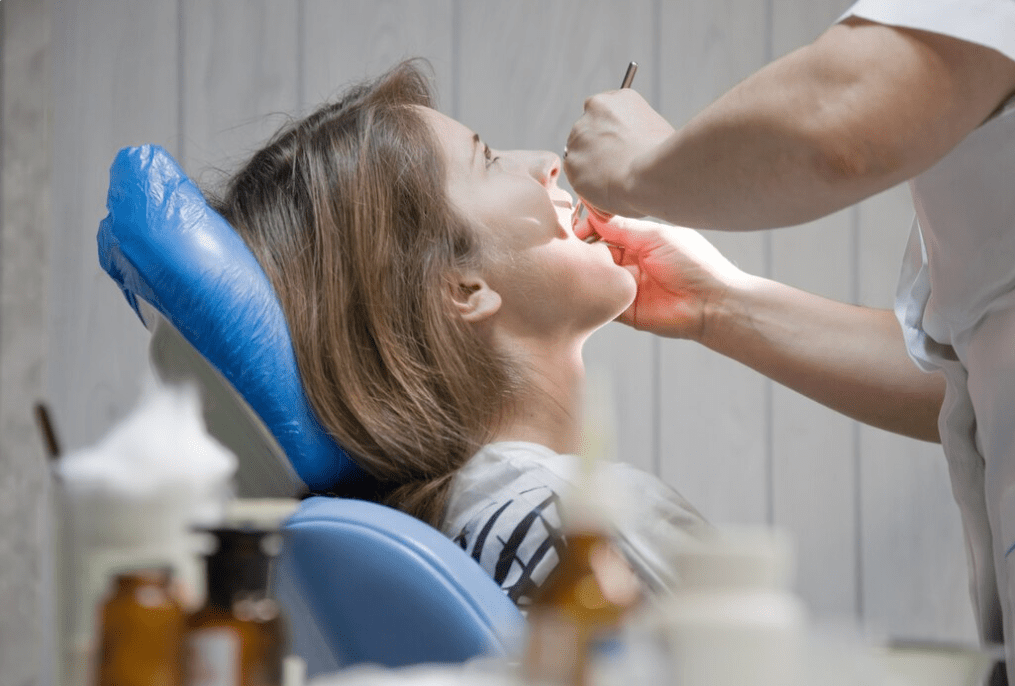
Jaw pain from grinding teeth is one of those conditions that can quietly diminish quality of life over weeks and months before most patients connect the dots between the grinding habit and the discomfort they are experiencing. The morning headaches concentrated around the temples, the jaw that feels stiff and tender when you first open your mouth after sleep, the facial soreness that builds through the day, and the teeth that seem increasingly sensitive are all signals from the body that bruxism, the clinical term for teeth grinding and clenching, is taking a toll on the teeth and jaw. For residents of Aurora, Ontario, understanding how to ease jaw pain from grinding teeth and where to find expert professional support makes a genuine difference to both comfort and long-term dental health.
Aurora Gateway Dental is one of the best dental clinics in Aurora, providing comprehensive assessment and management of bruxism and its consequences to patients across the community with a thorough, patient-centred approach. Located at 676 Wellington Street East, Unit 3, Aurora, L4G 0K3, and reachable at info@auroragatewaydental.com or 647-360-6047, the practice helps patients identify the causes of their jaw pain and implement effective strategies for relief and long-term protection.
Why Teeth Grinding Causes Jaw Pain
To understand how to ease jaw pain from grinding teeth effectively, it helps to understand the mechanism behind the discomfort. The muscles responsible for closing the jaw are among the most powerful in the body relative to their size. During bruxism episodes, which most commonly occur during sleep when the grinding happens entirely outside of conscious control, these muscles engage in sustained and repetitive contractions that far exceed the forces involved in normal chewing.
Over the course of a night of grinding, these muscles accumulate the same kind of fatigue and soreness that any muscle group experiences after prolonged overuse. The temporomandibular joint, which connects the lower jaw to the skull on each side of the face, is also subjected to forces and loading patterns during grinding that it was not designed to sustain repeatedly over long periods. The characteristic morning jaw pain and headaches of bruxism are the direct result of this muscular fatigue and joint stress.
For patients across the area seeking Best Dental Care in Aurora who are experiencing these symptoms, Aurora Gateway Dental conducts comprehensive bruxism assessments that evaluate the degree of jaw muscle involvement and the extent of any dental damage already produced by the grinding habit.
Effective Home Strategies for Easing Jaw Pain
Several home management strategies provide meaningful relief from jaw pain caused by grinding teeth, and many patients find that combining several of these approaches produces better results than any single strategy in isolation.
Warm compresses applied to the jaw muscles on both sides of the face for fifteen to twenty minutes at a time help relax the overworked muscles and increase circulation to the fatigued tissue, reducing the tension and soreness that accumulate from nightly grinding. Warm compresses are particularly effective first thing in the morning when jaw pain is typically at its most pronounced, and can be repeated throughout the day whenever muscle tension builds.
Gentle jaw stretching exercises help release accumulated muscle tension and maintain the comfortable range of jaw movement. Slowly opening the mouth as wide as is comfortable without forcing, holding briefly, and then closing gently, repeated several times in a row, stretches the jaw muscles and reduces stiffness. Massaging the masseter muscles, the large chewing muscles at the sides of the jaw just in front of the ears, with gentle circular pressure, provides additional tension relief that many patients find immediately soothing.
Over-the-counter anti-inflammatory pain relief, such as ibuprofen, taken as directed on the packaging and only when clinically appropriate based on the patient’s health history and any medications they are taking, can help manage acute jaw pain and reduce the inflammation in the joint and surrounding tissue during painful episodes.
The Protective Role of a Custom Night Guard
For patients whose jaw pain from grinding teeth is persistent or significant, a custom-fitted night guard from a dental practice is the most clinically effective protective measure available. A night guard creates a physical barrier between the upper and lower teeth that prevents direct tooth-to-tooth contact during grinding, absorbing and redistributing the forces generated during clenching and protecting both the teeth and the temporomandibular joint from the sustained impact of bruxism.
The critical distinction between a custom night guard and a generic over-the-counter alternative is precision of fit. A custom appliance is fabricated from detailed impressions of the patient’s own teeth, producing a fit that is secure, comfortable, and correctly aligned with the individual bite. A generic tray that does not conform precisely to the patient’s dental anatomy may not stay in place through the night, may distribute forces unevenly, and can in some cases create additional jaw joint discomfort by positioning the bite inappropriately for the individual.
For patients in the Aurora area considering a professionally made appliance, Night Guards in Aurora at Aurora Gateway Dental provides custom-fitted night guard fabrication with precise impressions and careful fitting that ensures the appliance provides maximum protection and remains comfortable to wear consistently every night.
Lifestyle Factors That Influence Bruxism and Jaw Pain
Beyond protective appliances and home comfort strategies, several lifestyle factors have a direct and meaningful influence on bruxism severity and the jaw pain it produces. Addressing these factors does not replace clinical management but can significantly reduce the intensity and frequency of grinding episodes over time.
Psychological stress and anxiety are the most consistently identified triggers for bruxism, and many patients notice a clear correlation between stressful periods in their lives and increased jaw soreness. Incorporating stress management practices, including regular physical activity, mindfulness, adequate sleep, and relaxation techniques into daily life, addresses one of the root contributors to the grinding habit rather than simply managing its physical consequences.
Caffeine and alcohol both influence the central nervous system in ways that can increase bruxism activity. Caffeine is a stimulant that increases nervous system arousal, and consuming it in the afternoon and evening hours can contribute to more active grinding during the subsequent night. Alcohol, while initially sedating, disrupts normal sleep architecture in ways that increase muscle activity during sleep, including in the jaw. Reducing or eliminating these substances in the hours before sleep is a practical and effective lifestyle adjustment for bruxism patients.
Patients in the area who want comprehensive support for managing the dental and lifestyle dimensions of bruxism can access Best Dentist in Newmarket-level care at Aurora Gateway Dental, where the clinical team addresses both the protective dental management and the lifestyle guidance that gives patients the most complete and effective approach to jaw pain relief.
When Professional Assessment Is the Right Next Step
While home management strategies provide meaningful relief for many patients with mild to moderate jaw pain from grinding, certain presentations indicate that professional assessment should not be delayed. If jaw pain is severe or worsening rather than improving, if clicking or popping in the jaw joint is new or becoming more frequent, if there is difficulty opening the mouth fully or comfortably, if teeth are visibly cracking or chipping, or if the jaw pain is accompanied by frequent significant headaches, seeking professional evaluation is the appropriate response.
For patients who have already noticed signs of dental damage from grinding and are in the Newmarket area, the Emergency Dental Care in Newmarket accessible through Aurora Gateway Dental ensures that urgent dental concerns related to bruxism are assessed and addressed promptly. The Dental Clinic in Aurora team at Aurora Gateway Dental evaluates every bruxism patient thoroughly, assessing the degree of jaw joint involvement, the extent of tooth wear, and the full clinical picture before recommending the most appropriate combination of protective and restorative treatment.
Frequently Asked Questions
1. Can jaw pain from grinding teeth go away on its own? Mild jaw discomfort from occasional grinding may improve when contributing stress factors are reduced. However, for patients with established chronic bruxism, jaw pain typically persists or worsens without appropriate management because the underlying grinding habit continues. A custom night guard combined with stress management and lifestyle adjustments produces more reliable and more lasting relief than waiting for symptoms to resolve spontaneously.
2. How do I know if I grind my teeth at night if I am not aware of it? Common indicators include waking with jaw pain, facial soreness, or temple headaches, tooth sensitivity that seems worse in the mornings, a partner reporting audible grinding sounds during the night, and visible flattening or chipping of tooth surfaces identified at a dental check-up. A clinical examination that identifies the characteristic wear patterns associated with bruxism provides the most reliable confirmation.
3. Does a night guard stop the grinding behaviour? A custom night guard does not stop the grinding or clenching behaviour itself, as bruxism is driven by neurological and physiological mechanisms that the appliance cannot directly address. What the night guard does is protect the teeth and redistribute the forces generated during grinding, preventing damage to the enamel and existing restorations and reducing the impact on the temporomandibular joint.
4. Can children experience jaw pain from teeth grinding? Yes. Bruxism is common in children and often resolves on its own as the permanent dentition establishes itself. However, children experiencing significant jaw pain, visible tooth wear, or other bruxism-related symptoms should be assessed by a dental professional who can determine whether any monitoring or protective measures are appropriate for the individual child.
5. How long does it take for jaw pain to improve after starting to wear a night guard? Many patients notice a meaningful reduction in morning jaw pain and headaches within the first few weeks of consistent night guard use. The jaw muscles benefit from the reduced strain of the nightly grinding being absorbed by the guard rather than the teeth, and the relief typically builds progressively over the first month of consistent wear. Any persistent or worsening pain after beginning night guard use should be reported to the dental team for reassessment.
Conclusion
Jaw pain from grinding teeth in Aurora is a manageable condition when addressed with the right combination of home comfort strategies, protective dental appliances, and lifestyle adjustments that reduce the severity and frequency of grinding episodes. Warm compresses, gentle jaw exercises, stress management, and reduced caffeine and alcohol intake all contribute to meaningful relief, while a custom night guard provides the most clinically effective long-term protection for the teeth and jaw during sleep.
Aurora Gateway Dental, located at 676 Wellington Street East, Unit 3, Aurora, L4G 0K3, is one of the most trusted dental practices in the community, providing comprehensive bruxism assessment and custom night guard fabrication to patients seeking lasting relief from jaw pain and teeth grinding. To book your assessment or discuss your symptoms, contact the practice at info@auroragatewaydental.com or 647-360-6047.