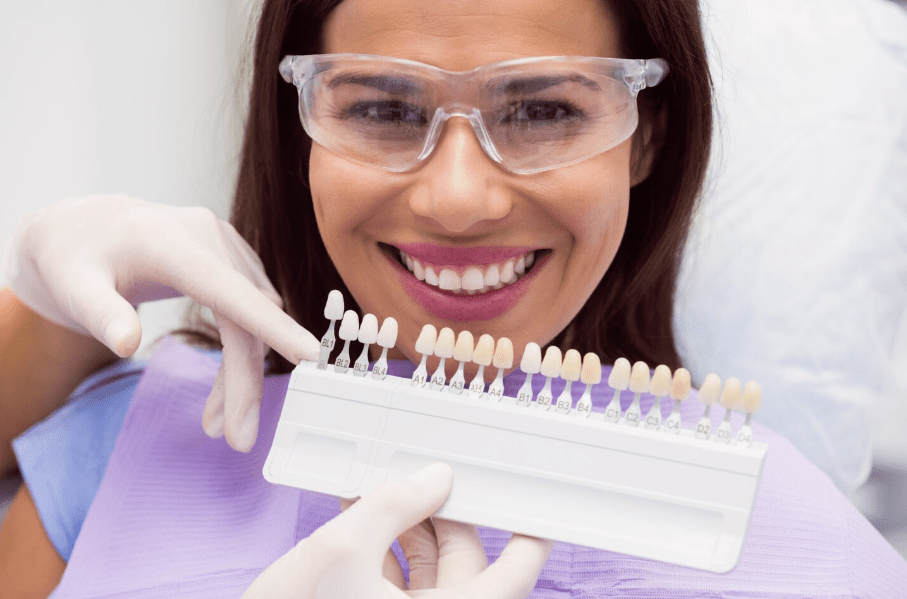
Dental veneers represent one of the most satisfying investments a patient can make in their smile. Thin, custom-crafted shells bonded to the front surfaces of your teeth can address discoloration, chips, uneven sizing, and minor spacing concerns in a way that looks completely natural and lasts for years. But before committing to the procedure, most patients want to understand exactly how long their veneers will hold up and what they can do to protect that investment over time.
For residents in the area, Best Dental Care in Aurora is something Aurora Gateway Dental has consistently delivered, combining clinical skill with the kind of honest, thorough patient education that allows people to make genuinely informed decisions about their cosmetic dental care.
The lifespan of dental veneers is influenced by more factors than most patients initially realize. It is not simply a matter of which material is chosen, though that plays a significant role. The quality of placement, the patient’s bite, their daily habits, and how consistently they attend professional care appointments all contribute meaningfully to whether veneers last closer to ten years or push well beyond twenty. Connecting with an experienced Dental Clinic in Aurora that approaches veneer treatment with both artistry and clinical precision sets the foundation for results that last as long as possible.
Porcelain Veneers and Their Expected Lifespan
Porcelain veneers are the most durable and widely recommended veneer option available. Made from a high-quality dental ceramic, they are fabricated in a dental laboratory to exact specifications based on digital or physical impressions of your prepared teeth. The ceramic material closely mimics the translucency and light-reflecting properties of natural tooth enamel, giving porcelain veneers their characteristically natural and lifelike appearance.
With proper care, porcelain veneers typically last between ten and twenty-five years. Many patients keep their original porcelain veneers in excellent condition for fifteen years or more before any replacement is needed. The longevity of porcelain veneers is supported by the material’s resistance to staining, its biocompatibility with gum tissue, and its strength under normal chewing forces when correctly placed.
The precision of the placement process matters enormously. Veneers that are fabricated and bonded with careful attention to fit, bite alignment, and margin integrity from the outset are far more likely to reach the upper end of their expected lifespan than those placed with less precision. Patients exploring their options for Dental Veneers in Aurora at Aurora Gateway Dental benefit from a team that treats every detail of the process with the attention it deserves, from the initial consultation and tooth preparation through to the final bonding and bite check.
Composite Resin Veneers and How They Compare
Composite resin veneers are an alternative to porcelain that can be applied directly to the tooth surface in a single appointment rather than requiring laboratory fabrication. They are generally considered a more accessible entry point into veneer treatment, and in the hands of a skilled clinician, they can produce genuinely attractive results.
The trade-off is durability and stain resistance. Composite resin is a more porous material than dental ceramic, which means it is more susceptible to picking up color from coffee, tea, wine, and other staining substances over time. It also wears more quickly under the daily forces of chewing and biting. Most composite resin veneers have a lifespan of five to seven years before they begin to show noticeable wear, discoloration, or the need for repair.
For patients who want a preview of what veneers can do for their smile before committing to porcelain, or for those who need a more immediate and conservative solution, composite veneers can be a practical option. Aurora Gateway Dental also serves patients across the region, including those seeking Emergency Dental Care in Newmarket and surrounding communities, making the clinic a reliable resource for a full range of dental needs alongside cosmetic treatments.
The Key Factors That Determine How Long Your Veneers Last
Understanding the variables that influence veneer longevity helps you take an active role in protecting your investment after treatment is complete.
Oral hygiene is foundational. While porcelain veneers themselves cannot develop cavities, the natural tooth structure at the margins where the veneer meets the tooth can. If plaque accumulates consistently at these margins, decay can develop over time in a way that compromises the seal and ultimately requires the veneer to be removed and replaced. Brushing twice daily with a soft-bristled toothbrush and a non-abrasive toothpaste, combined with daily flossing that pays attention to the gum line around each veneer, is the most effective daily protection available.
Bruxism, or habitual teeth grinding and clenching, is one of the most significant threats to veneer longevity. The forces generated during grinding far exceed those of normal chewing, and they can cause porcelain to chip or crack over time, loosen the bond between the veneer and the tooth, or create uneven wear across the restoration surface. Patients who grind their teeth are strongly advised to wear a custom-fitted night guard consistently. This single protective measure can add years to the life of a veneer investment. Discussing this openly with the Best Dentist in the Newmarket or Aurora area provider you choose before treatment begins allows the dental team to factor it into their preparation and aftercare recommendations.
Dietary habits matter as well. While veneers are designed for normal eating, repeatedly biting into very hard foods, chewing ice, or using veneered teeth to open packaging creates stress that accumulates over time. These habits accelerate wear and increase the risk of chipping or debonding.
Finally, the regularity of professional dental visits plays an important role. At each checkup, your dental team will examine the condition of your veneers, assess the integrity of the margins, check for any signs of wear or potential issues, and advise you on whether any maintenance is needed. Early intervention when a small problem is detected is always preferable to waiting until a veneer fails entirely.
What Happens When Veneers Eventually Need Replacing
Because a thin layer of enamel is removed from the tooth surface before veneer placement, the preparation is irreversible. Once your teeth have been prepared for veneers, they will always need some form of coverage. This is an important consideration to understand before proceeding with the treatment in the first place, and a responsible dental team will always explain this clearly during the consultation.
When the time comes to replace a veneer, whether due to wear, discoloration, chipping, or the natural end of its lifespan, the process involves removing the old veneer carefully and placing a new one fabricated to the same or updated specifications. The underlying tooth structure is assessed at this stage, and if any decay or damage is found, it is addressed before the new veneer is placed. In many cases, replacing a veneer is a straightforward process with results that restore the original appearance of the smile fully.
Frequently Asked Questions (FAQ)
1. Do veneers feel different from natural teeth? Most patients adjust to the feel of veneers within a few days to a couple of weeks. Because a small amount of enamel is removed during preparation and the veneer adds a thin layer to the front surface of the tooth, there may be a brief period of adjustment. Once patients become accustomed to their veneers, they typically describe them as feeling completely natural and comfortable during normal biting and speaking.
2. Can veneers be whitened if they become discolored? No. Whitening treatments work on natural tooth enamel and have no effect on dental ceramic or composite resin. If a porcelain veneer discolors significantly, replacement is the appropriate response. This is one reason why the shade selection at the time of placement is so important. For composite veneers, mild surface staining can sometimes be polished away, but deeper discoloration within the material itself requires replacement.
3. Are veneers suitable for patients with gum disease? No. Any active gum disease must be fully treated and stabilized before veneer placement is considered. Placing veneers on teeth surrounded by unhealthy gum tissue creates a situation where the veneer margins cannot be properly sealed, which increases the risk of decay and restoration failure. A thorough oral health assessment is always the first step in any veneer consultation at a reputable dental clinic.
4. How should I clean around my veneers? Use a soft-bristled toothbrush and a non-abrasive fluoride toothpaste. Avoid highly abrasive whitening toothpastes that can dull the surface of porcelain over time. Floss daily, gently guiding the floss down to the gum line on either side of each veneered tooth. A water flosser can also be a helpful addition to the routine for thorough cleaning around the veneer margins.
5. What is the difference between veneers and dental bonding? Both are cosmetic treatments that use tooth-colored materials to improve the appearance of the front surfaces of teeth. Dental bonding applies composite resin directly to the tooth and is shaped and polished chairside in a single appointment, requiring little to no tooth preparation. Veneers are thinner, more precisely fabricated restorations that typically require removal of a small amount of enamel and are bonded to the tooth in a subsequent appointment. Veneers generally offer greater durability, better stain resistance, and a more precisely controlled aesthetic result than direct bonding.
Conclusion
Dental veneers can last anywhere from five to twenty-five years or more, depending on the material chosen, the quality of placement, and how consistently the patient maintains their oral health and protective habits afterward. Porcelain veneers offer the greatest longevity and stain resistance, while composite veneers provide a more accessible option with a shorter replacement cycle. Either way, the decision to get veneers benefits enormously from choosing an experienced and thorough dental team that prioritizes both clinical quality and honest patient education from the very first consultation.
Aurora Gateway Dental, located at 676 Wellington Street East, Unit 3, Aurora, L4G 0K3, is a trusted provider of veneer consultations and cosmetic dental care throughout the Aurora and surrounding area. Their team brings the skill, precision, and patient-centred approach that veneer treatment deserves. To book a consultation or learn more, call 647-360-6047 or email info@auroragatewaydental.com and take the first step toward a smile that is designed to last.