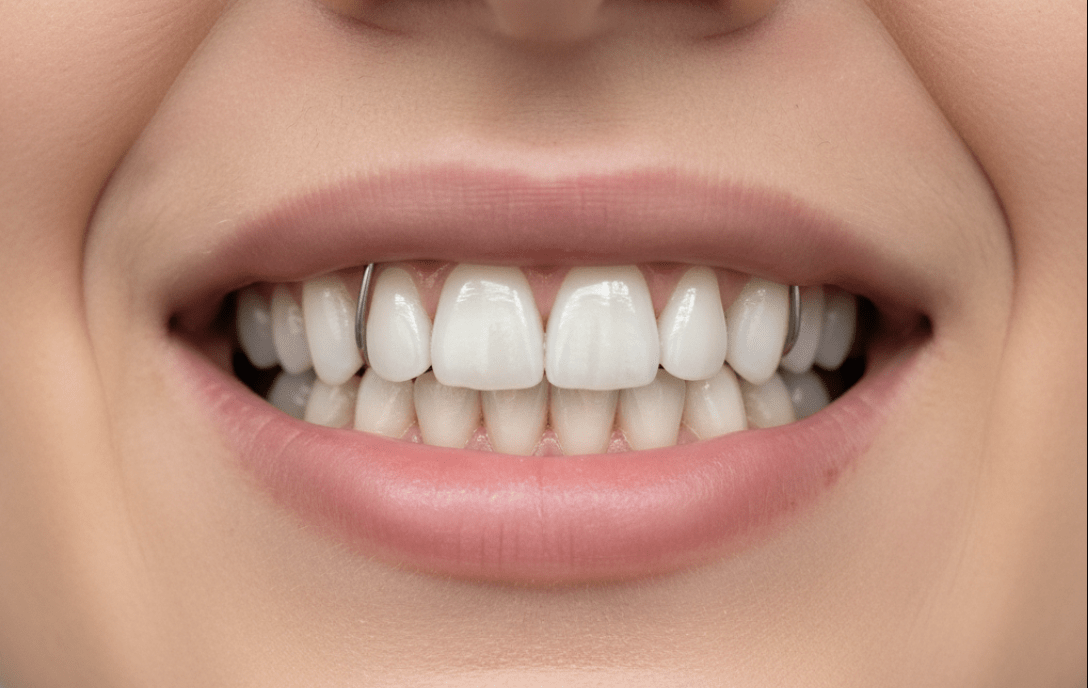
A dead tooth is a tooth where the inner pulp tissue has lost its blood supply, often due to deep decay, trauma, or infection. This is a serious dental condition, not a temporary issue, and it requires professional evaluation because the tooth cannot heal on its own. In many cases, early treatment can save the tooth, especially when patients seek care from a trusted Dental Clinic in Aurora such as Aurora Gateway Dental.
A dead tooth may sometimes look harmless at first, but it can lead to infection, discoloration, pain, or even abscess formation if left untreated. That is why timely diagnosis is essential, especially for patients experiencing tooth discoloration or sensitivity that does not go away.
Many individuals searching for a reliable Dentist in Aurora often explore About the Clinic to understand how modern dental teams diagnose and manage internal tooth damage using advanced imaging and restorative techniques.
A dead tooth does not always cause immediate pain, which is why it often goes unnoticed until it becomes more severe. Early assessment at a licensed clinic registered with the Royal College of Dental Surgeons of Ontario (RCDSO) is crucial for preventing complications.
Patients seeking full evaluation and treatment planning can also review General Dentistry services, where dental professionals assess tooth vitality and recommend appropriate treatment options.
Those with sudden pain or swelling may require urgent attention through Emergency Dental Aurora services to prevent infection from spreading.
What Is a Dead Tooth?
A dead tooth, also known as a non-vital tooth, occurs when the pulp inside the tooth dies due to lack of blood flow.
The pulp contains:
- Nerves
- Blood vessels
- Connective tissue
When this tissue is damaged or infected, the tooth can no longer function normally.
Is a Dead Tooth Dangerous?
Yes, a dead tooth can become dangerous if untreated. While it may not always hurt immediately, bacteria can enter the tooth and spread to surrounding tissues, leading to infection or abscess formation.
A dead tooth is:
- Not always painful at first
- Potentially infectious over time
- Unable to heal naturally
This makes early diagnosis extremely important.
What Causes a Tooth to Die?
Deep Tooth Decay
Untreated cavities can reach the pulp, allowing bacteria to infect the nerve.
Dental Trauma
A blow to the tooth (sports injury or accident) can cut off blood supply even if the tooth looks intact.
Repeated Dental Procedures
Multiple restorations on the same tooth can weaken internal structure over time.
Severe Infection
Gum disease or untreated abscesses may spread into the tooth pulp.
Patients receiving structured care through Preventive Dentistry such as Preventive Dentistry often avoid these complications through early detection.
Symptoms of a Dead Tooth
A dead tooth does not always cause pain, but common signs include:
- Darkening or discoloration (grey, yellow, or brown)
- Persistent bad taste in the mouth
- Swelling in nearby gums
- Tooth sensitivity or pain when chewing
- Abscess or pimple-like bump on gums
- Bad breath that does not improve
If you notice these symptoms, professional evaluation is necessary.
How Dentists Diagnose a Dead Tooth
A dental examination may include:
- Visual inspection
- X-rays
- Thermal (hot/cold) tests
- Percussion testing
- Pulp vitality testing
These tests help determine whether the tooth can still be saved or requires further treatment.
A Family Dentist in Aurora will always prioritize saving the natural tooth when possible.
Patients can also explore comprehensive care through (https://auroragatewaydental.com/serivces/family-dentistry-in-aurora/) where long-term oral health is managed for all ages.
Can a Dead Tooth Be Treated?
Yes, in Many Cases It Can Be Treated
The most common treatment for a dead tooth is root canal therapy.
Treatment options include:
- Root canal treatment
- Crown placement
- Extraction (if severely damaged)
Early treatment improves the chance of saving the tooth.
Patients often receive restorative care through (https://auroragatewaydental.com/serivces/restorative-dentistry/) to restore function and appearance.
Root Canal Treatment for Dead Teeth
Root canal therapy removes infected pulp, cleans the canal, and seals the tooth.
Steps include:
- Numbing the area
- Removing infected pulp
- Cleaning root canals
- Disinfecting the space
- Filling and sealing
- Restoring with a crown
This treatment allows the tooth to remain functional without pain or infection.
In many cases, a crown may be added for strength and durability, especially when tooth structure is weakened.
When Extraction Is Necessary
A tooth may need removal if:
- Infection is severe
- Tooth structure is too weak
- Root damage is extensive
- Treatment has failed
In such cases, replacement options like dental implants may be recommended.
Patients can explore (https://auroragatewaydental.com/serivces/dental-implants/) for long-term tooth replacement solutions.
Dead Tooth vs Infected Tooth
| Condition | Description | Pain Level |
|---|---|---|
| Dead tooth | Pulp tissue is no longer alive | May be painless initially |
| Infected tooth | Active bacterial infection present | Usually painful |
Both conditions require dental attention, but infection is more urgent.
What Happens If a Dead Tooth Is Left Untreated?
Ignoring a dead tooth may lead to:
- Abscess formation
- Bone loss
- Spread of infection
- Facial swelling
- Tooth loss
- Systemic health risks
This is why early diagnosis is critical.
Treatment Options Comparison
Root Canal vs Extraction
| Treatment | Pros | Cons |
|---|---|---|
| Root canal | Saves natural tooth | Requires restoration |
| Extraction | Removes infection fully | Leaves gap needing replacement |
Dentists typically recommend saving the tooth whenever possible.
Cosmetic Impact of a Dead Tooth
A dead tooth often becomes darker in color, which can affect smile appearance.
Patients may later consider cosmetic treatments such as:
- Whitening (limited effect on dead teeth)
- Veneers
- Crowns
- Smile redesign
Cosmetic improvements are often part of Cosmetic Dentistry Aurora, especially when aesthetics are affected.
Role of Orthodontics and Alignment
In some cases, tooth loss or extraction may affect alignment.
Preventing a Dead Tooth
Best Prevention Methods:
- Regular dental checkups
- Early cavity treatment
- Wearing mouthguards during sports
- Treating infections quickly
- Good oral hygiene
Services like (Oral Hygiene) help reduce risk significantly.
Common Myths About Dead Teeth
Myth 1: A dead tooth always hurts
Not true. Many dead teeth are painless in early stages.
Myth 2: Whitening can fix a dead tooth
Whitening does not restore internal discoloration.
Myth 3: A dead tooth is not dangerous
Untreated dead teeth can lead to serious infection.
When to See a Dentist
You should visit a Top Dentist in Aurora if you notice:
- Darkening tooth color
- Swelling or gum bumps
- Persistent pain
- Bad taste or odor
- Sensitivity that does not improve
Urgent cases should be seen by an Emergency Dental Clinic in Aurora immediately.
Aurora Gateway Dental: Comprehensive Care for Dead Teeth
Aurora Gateway Dental is a leading dental practice in Aurora providing high-quality care for patients of all ages.
The clinic accepts:
- New patients
- CDCP patients
- Kids CDCP
- IFHP (refugee dental coverage)
The clinic offers a full range of services including:
- Cosmetic dentistry
- Preventive dentistry
- Restorative dentistry
- Periodontics
- Orthodontics
- Invisalign
- General dentistry
- Pediatric dentistry
- Oral hygiene care
- Oral surgery
- Family dentistry
- Emergency dental care
- Night guards
- Wisdom teeth removal
- Dental implants
Patients can also access specialized care such as Wisdom Teeth Removal, Night Guards, and Refugee Care.
The clinic also supports multilingual communication including Tamil, Farsi, and Tagalog.
Convenient hours include Tuesday and Thursday from 10:00 AM to 7:00 PM and Saturday from 9:00 AM to 3:00 PM.
Patients benefit from an in-house dental insurance plan and student discount program designed to improve access to care.
Appointments can be booked through (https://auroragatewaydental.com/appointment/), or by contacting info@auroragatewaydental.com or +1 647-360-6047.
FAQs
Can a dead tooth heal on its own?
No. Once the pulp inside the tooth dies, it cannot regenerate or heal naturally and requires dental treatment.
Is a dead tooth an emergency?
It can become an emergency if infection, swelling, or pain develops, requiring immediate dental care.
How long can a dead tooth stay untreated?
It may remain unnoticed for some time, but delaying treatment increases the risk of infection and complications.
Does a dead tooth always need extraction?
Not always. Many dead teeth can be saved with root canal therapy and proper restoration.
Why does a dead tooth turn dark?
Loss of blood flow inside the tooth causes internal tissue breakdown, leading to grey or dark discoloration.
Conclusion
A dead tooth is a serious dental condition that requires timely diagnosis and professional care. While it may not always cause immediate pain, it can lead to infection and long-term complications if ignored.
Modern treatments like root canal therapy can often save the tooth and restore function effectively.
Early dental evaluation remains the best way to protect oral health and maintain a strong, natural smile.