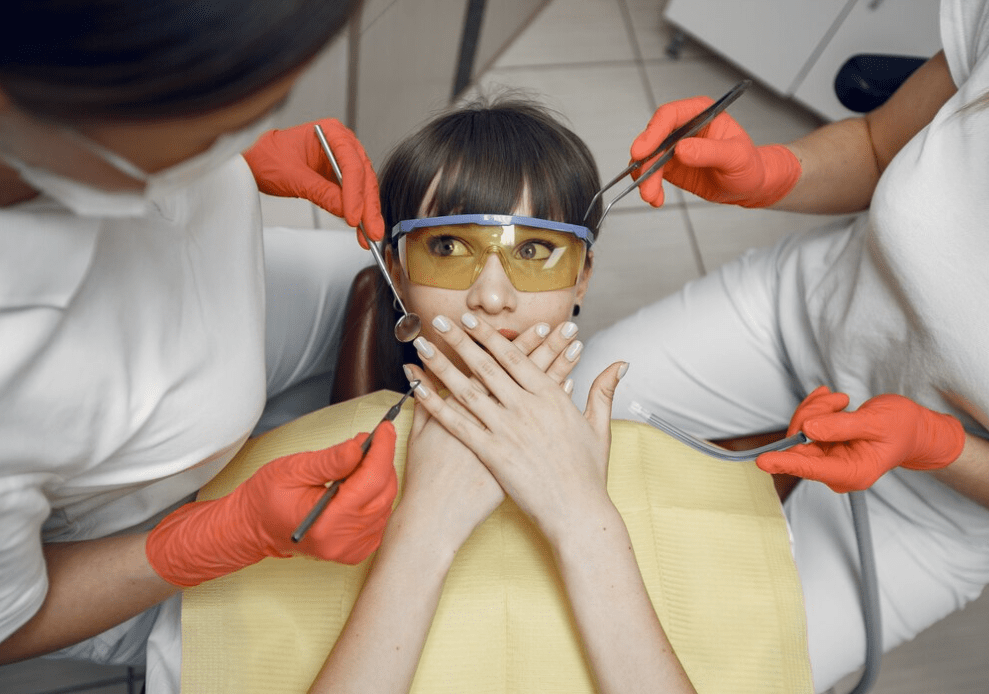
A chipped tooth can happen in an instant. Whether it is from biting down on something hard, a fall, a sports injury, or simply an unexpected accident, the moment you feel or notice a chip in your tooth can be alarming. Your first instinct might be to search for ways to fix it at home, especially if the incident happens outside of clinic hours or when access to immediate dental care is not possible. While there are some temporary measures you can take to manage discomfort and protect the area, it is important to understand from the outset that a chipped tooth is a dental concern that always requires professional evaluation. Home remedies should only ever serve as a short-term bridge until you can see a dental professional.
If you are in the Aurora region and need expert guidance after a dental injury, reaching out to a trusted Dental Clinic in Aurora is the most important step you can take. Aurora Gateway Dental, located at 676 Wellington Street East, Unit 3, Aurora, L4G 0K3, provides comprehensive care for patients dealing with chipped, cracked, and broken teeth, ensuring that every patient receives a safe and clinically appropriate treatment plan tailored to their situation.
Why You Cannot Permanently Fix a Chipped Tooth at Home
Before exploring temporary management options, it is worth being clear about what home remedies can and cannot accomplish. No over-the-counter product, natural remedy, or DIY technique can permanently repair a chipped tooth. Teeth are made of enamel, which is one of the hardest substances in the human body, and once enamel is chipped or broken, it cannot regenerate or be restored without professional dental materials and techniques.
Attempting to glue a broken piece of tooth back with household adhesives is dangerous and should never be done. These products are not designed for use inside the mouth and can cause serious harm to the soft tissues, gums, and remaining tooth structure. Similarly, using sharp tools to smooth out a rough edge at home risks further damage and potential injury.
The goal of at-home management is comfort and protection while you wait for your dental appointment, not a permanent solution. Understanding this distinction will help you make safer decisions in the hours or days following a chipped tooth incident.
Temporary Measures to Manage a Chipped Tooth at Home
There are several steps you can take at home to keep the affected area comfortable and reduce the risk of further damage before your dental visit.
Rinse your mouth gently with warm salt water as soon as possible after the chip occurs. Salt water helps cleanse the area, reduces the risk of infection, and can soothe irritated gum tissue around the affected tooth. Use approximately half a teaspoon of salt dissolved in a glass of warm water and rinse gently without vigorous swishing.
If the chipped tooth has a sharp or jagged edge that is irritating the inside of your cheek, tongue, or lips, you can apply a small piece of dental wax to the edge as a temporary buffer. Dental wax is available at most pharmacies and is safe for use inside the mouth. It will not fix the chip, but it will help prevent soft tissue injury while you wait for your appointment.
Over-the-counter pain relief options can help manage any discomfort associated with a chipped tooth. Following the instructions on the packaging is important, and if you have any medical conditions or are taking other medications, checking with a healthcare provider before taking any pain relief is advisable.
Avoid chewing on the side of the mouth where the chip has occurred. Stick to soft foods and avoid anything that is particularly hard, crunchy, sticky, or very hot or cold, as the exposed tooth structure may be more sensitive than usual. Being mindful of what you eat and drink in the days following the injury can help prevent the chip from worsening before you receive professional care.
For patients seeking the Best Dental Care in Aurora to address chipped or damaged teeth with permanent, clinically appropriate solutions, Aurora Gateway Dental offers a range of restorative services designed to restore the appearance and function of damaged teeth safely and effectively.
What Happens If You Leave a Chipped Tooth Untreated?
Some people delay seeing a dentist after chipping a tooth, particularly if the chip is small and not causing significant pain. However, even minor chips can lead to more serious problems if left unaddressed. A chipped tooth exposes the inner layers of the tooth structure to bacteria, which can accelerate decay and increase the risk of infection over time.
Depending on the location and size of the chip, the structural integrity of the tooth may also be compromised, making it more susceptible to further fracturing under biting pressure. What begins as a minor chip can become a much more involved dental situation if it is not assessed and treated in a timely manner.
Exploring your options for Restorative Dentistry in Aurora at Aurora Gateway Dental means accessing professional treatments such as dental bonding, porcelain veneers, crowns, and other clinically proven solutions that address chipped teeth based on each patient’s specific needs. These treatments not only restore the appearance of the tooth but also protect it from further damage and restore its proper function.
Professional Treatments for a Chipped Tooth
When you visit a dental clinic following a chipped tooth, the dental team will conduct a thorough examination to assess the extent of the damage. For minor chips involving only the enamel, dental bonding is often an effective and relatively straightforward option. This involves applying a tooth-coloured composite resin material to the affected area, which is then shaped and hardened to restore the tooth’s natural appearance.
For chips that are more significant or involve a larger portion of the tooth structure, a dental crown may be recommended. A crown is a custom-fitted cap that covers the entire visible portion of the tooth, providing both protection and a natural aesthetic result. In cases where the inner pulp of the tooth has been exposed or damaged, additional treatment may be necessary before a restoration is placed.
The appropriate treatment will always depend on the individual case, and a proper clinical assessment is the only way to determine what is needed. If you are outside of regular clinic hours and need urgent attention, knowing where to find Emergency Dental Care in Newmarket is essential. Aurora Gateway Dental serves the Aurora and Newmarket communities and is reachable at 647-360-6047 or info@auroragatewaydental.com to help you navigate your options quickly and confidently.
Frequently Asked Questions
1. Can a chipped tooth heal on its own?
No, a chipped tooth cannot heal on its own. Unlike bone, enamel does not have the ability to regenerate or repair itself. Once a tooth is chipped, professional dental treatment is the only way to properly restore it.
2. Is a chipped tooth considered a dental emergency?
It depends on the severity. A small chip without pain may be addressed at a scheduled appointment, but a large fracture, significant pain, sharp sensitivity, or exposed nerve tissue should be treated as an urgent dental matter requiring prompt professional attention.
3. Can I use super glue to temporarily fix a chipped tooth?
No. Super glue and household adhesives are not safe for use inside the mouth. They can damage soft tissue, irritate gums, and cause additional harm. Dental wax is a safe, pharmacy-available alternative for temporarily buffering a sharp edge while you wait for your appointment.
4. Will a chipped tooth always be painful? Not necessarily. Some chips cause immediate sensitivity or discomfort, while others may not cause any pain at all, especially if the chip is minor and has not reached the inner layers of the tooth. However, the absence of pain does not mean the tooth does not require professional attention.
5. How long can I wait before seeing a dentist about a chipped tooth?
If the chip is minor and you are not in significant pain, scheduling an appointment within a few days is generally appropriate. If you are experiencing severe pain, visible damage to a large portion of the tooth, or signs of infection such as swelling or fever, you should seek professional care as soon as possible.
Conclusion
A chipped tooth is something many people experience at some point in their lives, and while it can feel stressful in the moment, knowing how to manage it safely in the short term makes a real difference. Temporary measures like salt water rinses, dental wax, and soft food choices can provide comfort and protection while you wait for professional care, but they are never a substitute for a proper clinical assessment and appropriate treatment. The only way to truly fix a chipped tooth is with the help of a qualified dental team. Aurora Gateway Dental in Aurora is ready to help you restore your smile safely and effectively. Contact the clinic at 647-360-6047 or info@auroragatewaydental.com, or visit 676 Wellington Street East, Unit 3, Aurora, L4G 0K3 to book your appointment.