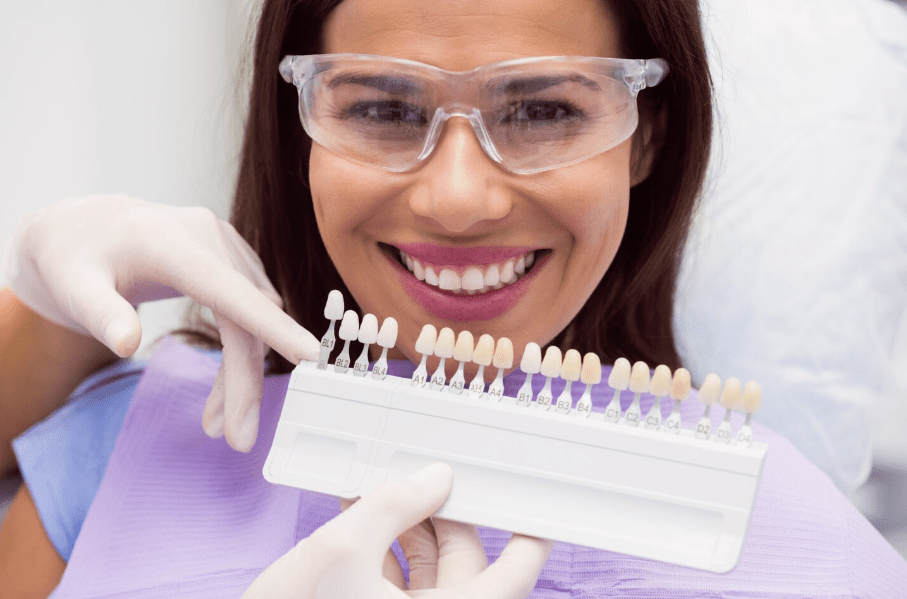
Dental veneers are one of the most popular and effective cosmetic dental treatments available today, and it is easy to understand why. They can dramatically transform the appearance of your smile in just a few appointments, addressing everything from discoloration and chips to gaps and minor misalignment. But before committing to veneers, one of the most common questions patients ask is how long they will actually last. It is a smart question, and the answer depends on several important factors that every veneer candidate should understand before moving forward.
For residents in the area, Best Dental Care in Aurora is something Aurora Gateway Dental has become well known for, offering skilled cosmetic dental care and thorough consultations that give patients a realistic picture of what veneers involve and how to get the most out of them.
The lifespan of dental veneers is not a fixed number. It varies based on the material used, the quality of placement, how well the patient maintains their oral health, and lifestyle habits that either protect or put stress on the restorations. Generally speaking, porcelain veneers last between ten and twenty-five years, while composite resin veneers typically last five to seven years before they may need to be replaced or repaired. Understanding what drives these timelines helps patients make better decisions and take better care of their veneers once they are in place. Connecting with an experienced Dental Clinic in Aurora from the start ensures your veneers are placed correctly and that you leave with a clear aftercare plan designed to maximize their longevity.
Porcelain Veneers Versus Composite Resin Veneers
The type of veneer material chosen has the most direct impact on how long the restorations will last. Porcelain veneers are the gold standard in cosmetic dentistry for good reason. They are crafted from a high-quality ceramic material that closely mimics the translucency and light-reflecting properties of natural tooth enamel. Porcelain is highly resistant to staining, durable under normal chewing forces, and biocompatible with gum tissue. When placed by a skilled dental team and properly maintained, porcelain veneers routinely last fifteen years or more, with many patients keeping their veneers in excellent condition for twenty years or beyond.
Composite resin veneers are applied directly to the tooth surface in a single appointment and are shaped and polished chairside. They are a less invasive and more affordable option that can produce attractive results, particularly for patients with mild cosmetic concerns. However, composite material is more porous than porcelain, making it more susceptible to staining over time from coffee, tea, wine, and certain foods. Composite veneers also wear more quickly under the forces of chewing and are generally expected to last five to seven years before touch-ups or replacement become necessary.
Patients exploring their options for Dental Veneers in Aurora at Aurora Gateway Dental receive a thorough consultation that covers both material options in detail, helping each patient choose the approach that best suits their aesthetic goals, oral health, and long-term expectations.
Factors That Influence How Long Your Veneers Last
Several key factors determine whether your veneers reach the upper end of their expected lifespan or need to be replaced sooner than anticipated. Understanding these factors puts the longevity of your veneers largely within your own control.
Oral hygiene is the most fundamental factor. Veneers themselves cannot develop cavities, but the natural tooth structure beneath and around them can. If decay develops at the margin where the veneer meets the tooth, it can compromise the bond and ultimately require the veneer to be removed and replaced. Brushing twice daily with a non-abrasive toothpaste, flossing once a day, and attending regular professional cleanings are essential habits for veneer maintenance.
Bruxism, or teeth grinding and clenching, is one of the most significant threats to veneer longevity. The excessive and repetitive forces generated during grinding place enormous stress on the ceramic or composite material and can cause veneers to chip, crack, or debond over time. Patients who grind their teeth are strongly advised to wear a custom-fitted night guard to protect their veneers while sleeping. Aurora Gateway Dental also serves patients seeking Emergency Dental Care in Newmarket and surrounding areas, making it a convenient and comprehensive resource for patients whose dental concerns extend beyond cosmetic care.
Dietary habits play a significant role as well. While porcelain veneers are quite resistant to staining, they are not indestructible. Biting into very hard foods, chewing on ice, or using your teeth as tools to open packaging can chip or crack veneer material, just as it can damage natural teeth. Moderating these habits protects both your veneers and the underlying tooth structure.
The quality of the initial placement is another critical factor. Veneers that are accurately designed, properly bonded, and correctly fitted from the outset are far more likely to last the full extent of their expected lifespan. Poorly fitted veneers can develop gaps at the margins, allowing bacteria to accumulate and potentially leading to decay or debonding. Choosing an experienced dental team with a proven approach to cosmetic care is the most important investment you can make for the longevity of your veneers.
What Happens When Veneers Need to Be Replaced?
Veneers are not permanent in the sense that they will need to be replaced at some point, but the replacement process is relatively straightforward when the time comes. Because the tooth surface is prepared by removing a thin layer of enamel before veneer placement, this preparation is irreversible, meaning some form of veneer or other restoration will always be needed to cover the prepared surface going forward.
When a veneer chips, cracks, debonds, or shows signs of significant wear, your dental team will assess whether repair is possible or whether replacement is the more appropriate course of action. Porcelain veneers that have reached the end of their lifespan are typically replaced with a new set, while composite veneers can sometimes be repaired chairside, depending on the nature and extent of the damage.
Regular dental checkups are important for monitoring the condition of your veneers over time. Your dental team will assess the integrity of each veneer, check the margins for any signs of decay or wear, and advise you when replacement is approaching. Patients looking for a trusted Best Dentist in Newmarket or Aurora area provider to monitor their cosmetic restorations will find Aurora Gateway Dental well-equipped to provide this ongoing care with the attention to detail it deserves.
How to Get the Most Out of Your Veneers
Getting the maximum lifespan from your veneers is largely a matter of consistent daily habits and regular professional care. Use a soft-bristled toothbrush and a non-abrasive fluoride toothpaste to brush twice daily, as abrasive products can dull the polish of porcelain over time. Floss once a day, paying close attention to the area where the veneer meets the gum line. Attend professional cleaning appointments at least twice a year so your dental team can remove buildup and assess the condition of your veneers.
If you grind or clench your teeth, wearing a night guard consistently is one of the single most effective things you can do to protect your investment. Avoid biting down on hard foods or non-food items with your veneered teeth, and limit the frequency of heavily staining beverages. Rinsing with water after consuming coffee, tea, or wine can help minimize staining, particularly for composite veneers.
Frequently Asked Questions (FAQ)
1. Do veneers require special cleaning products? No, veneers do not require any special cleaning products. A soft-bristled toothbrush and a non-abrasive fluoride toothpaste are all you need for daily care. Avoid highly abrasive whitening toothpastes, as these can dull the surface of porcelain veneers over time. Your dental team will provide personalized recommendations for your specific type of veneer during your follow-up appointments.
2. Can veneers stain over time? Porcelain veneers are highly resistant to staining due to the non-porous nature of the ceramic material. Composite resin veneers, however, are more porous and can absorb pigment from coffee, tea, wine, and certain foods over time. Regardless of the material, limiting exposure to heavily staining substances and rinsing with water afterward can help maintain the brightness of your veneers.
3. Will veneers look natural? Yes. High-quality porcelain veneers in particular are designed to replicate the natural translucency and light-reflecting properties of tooth enamel, making them virtually indistinguishable from natural teeth to most observers. Your dental team will carefully select the shape, size, and shade of your veneers to complement your facial features and match or improve upon the appearance of your natural smile.
4. Can veneers be placed on all teeth? Veneers are most commonly placed on the front teeth that are visible when you smile, typically the upper and sometimes lower incisors and canines. They are not suitable for teeth with insufficient enamel remaining, significant decay, or very large existing restorations. Your dental team will evaluate each tooth individually during your consultation to determine whether veneers are an appropriate option for your situation.
5. What should I do if a veneer chips or falls off? Contact your dental clinic as soon as possible. If a veneer has completely debonded, keep it safe and bring it to your appointment, as it may be possible to recement it depending on the condition of the veneer and the underlying tooth. Do not attempt to reattach it yourself with household adhesives. Your dental team will assess the situation and advise on the most appropriate next step, whether that is recementing, repairing, or replacing the veneer.
Conclusion
Dental veneers are a long-lasting and highly effective cosmetic solution that can transform your smile for a decade or more when chosen carefully and maintained well. Porcelain veneers offer the greatest durability and stain resistance, typically lasting between ten and twenty-five years, while composite veneers provide a more accessible option with a shorter replacement cycle. The key to maximizing the lifespan of any veneer lies in excellent daily oral hygiene, regular professional care, protective habits, and choosing an experienced dental team for placement from the very beginning.
Aurora Gateway Dental, located at 676 Wellington Street East, Unit 3, Aurora, L4G 0K3, is a trusted provider of veneer consultations and cosmetic dental care for patients throughout the Aurora and surrounding area. Their team brings skill, artistry, and a genuinely patient-centred approach to every cosmetic case. To book a consultation or learn more about your veneer options, call 647-360-6047 or email info@auroragatewaydental.com and take the first step toward a smile that is built to last.